

Many Nigerians are tired, disappointed, and angry with politics, feeling elections are rituals disconnected from their daily struggles. It’s easy to believe the country’s future is shaped abroad, not by citizens. But that belief misses a crucial, quieter shift happening at home.
Nigeria is changing—slowly and unevenly, but truly. The idea that foreign powers determine Nigeria’s leadership ignores meaningful internal reforms. This is cautious hope, grounded in what Nigerians can see and experience.
Power is Shifting from Networks to Institutions
 For decades,power resided in informal networks, godfathers, and personal influence. Institutions were weak. President Bola Ahmed Tinubu, understanding this old system intimately, has focused on stabilising institutions so power rests on systems, not individuals. This emphasis on rule-based governance and system-building is foundational. It’s not dramatic, but it matters.
Why 2027 Will Be Different
It’s natural to be skeptical.What makes this moment different is not promises, but process. Across government, clearer guidelines, consistent regulation, and digital systems are gradually replacing manual discretion and making accountability harder to avoid. Reform is technical and often boring—which is why it can work. The rules of engagement are being tightened now, long before ballots are cast.
A Functioning Democratic Space
A healthy democracy isn’t about the opposition winning,but about it operating freely. In Nigeria today, opposition voices are loud, parties operate freely, the media remains critical, and courts are accessible. This openness is a strength. Democracy is about letting institutions—not intimidation—decide outcomes.
INEC and the Value of a Vote
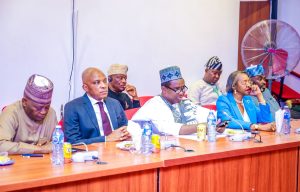 INEC’s journey to public trust is ongoing,but progress exists. The electoral process is more structured and data-driven. Technology has reduced interference, procedures are clearer, and judicial review relies more on evidence. Votes gain value when systems improve and citizens stay engaged. Participation creates pressure for improvement.
Reform for Nigeria, Not for Washington
Economic and structural reforms are being pursued because Nigeria needs them—not because foreign governments demand them.No foreign capital can replace domestic legitimacy. The goal is to fix long-standing problems so Nigeria stands stronger on its own.
Inclusion, Security, and Growing Confidence
Beyond institutions,there’s a growing sense of inclusion. Governance has reflected national balance across regions and faiths. This is reshaping perceptions, especially in previously skeptical regions like the Middle Belt and the North.
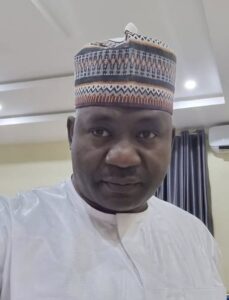 On security, the strategic changes under the Minister of Defence, General Christopher Gwabin Musa, are restoring confidence through coordinated, intelligence-driven operations. With improved security comes renewed trust at home and abroad.
Final Thought
Hope in Nigeria has been bruised,but it isn’t dead. Reform is slow and trust must be earned. The challenge is to prove—through institutions, inclusion, and security—that citizens’ participation matters. If this work continues, 2027 will not be decided by foreign interests.
It will be decided by Nigerians—steadily, lawfully, and confidently.
Written by: Ibrahim Bunu – ibrahimbunu2520@gmail.com
—————————————————————————————————————————————
Your help to our media platform will support the delivery of the independent journalism and broadcast the world needs. Support us by making any contribution. Your donation and support allows us to be completely focus, deeply investigative and independent. It also affords us the opportunity to produce more programmes online which is a platform universally utilised.
Thank you.
Please click link to make – DONATION