

The 2023 presidential election signaled a political awakening in Nigeria, a loud rejection of the old order that once believed power flowed from state governors and their entrenched structures. That illusion has finally collapsed.
Let’s look at the facts.
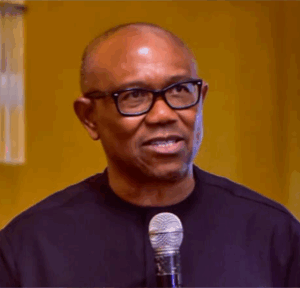
Peter Obi
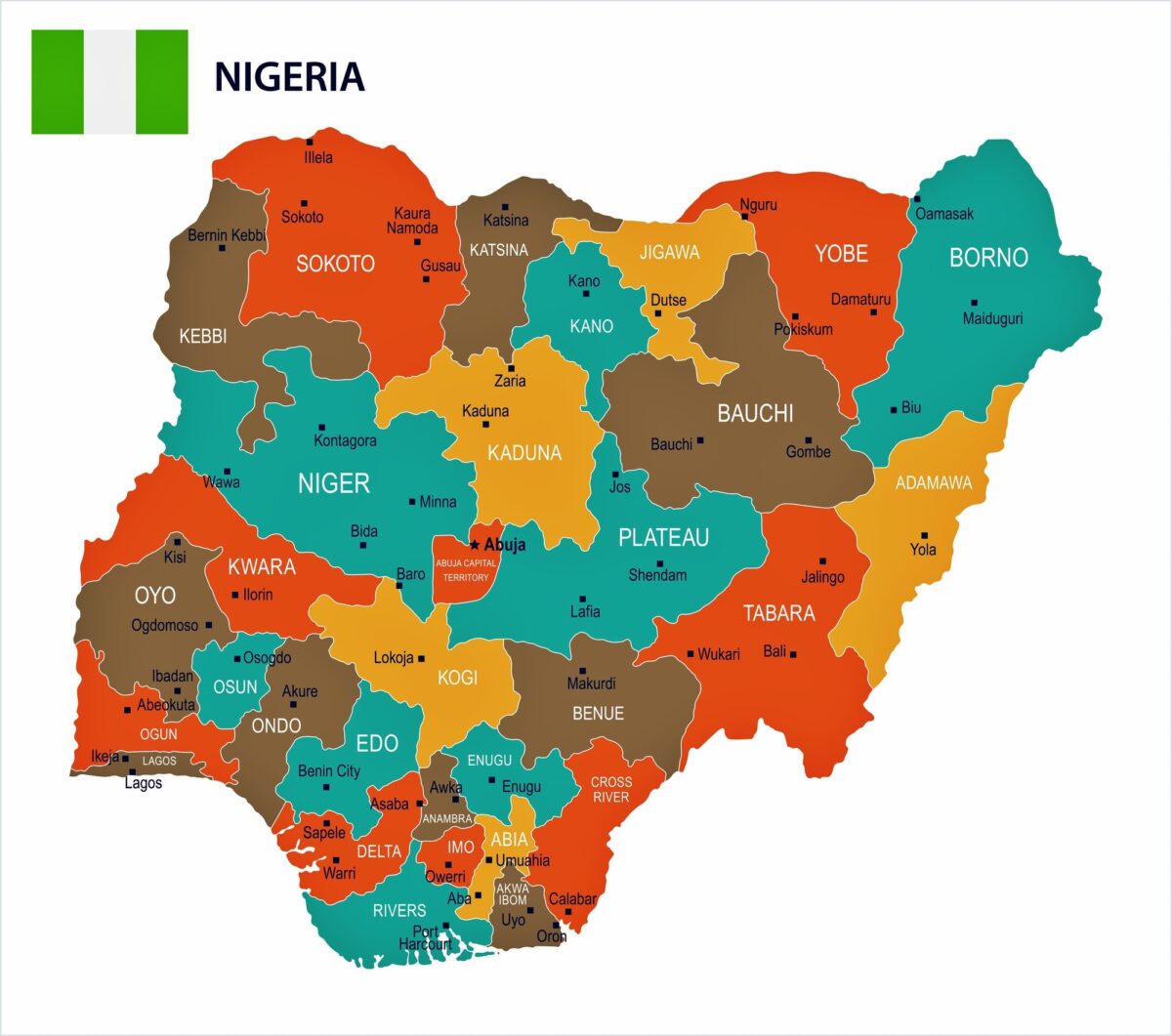
Peter Obi’s performance in the 2023 presidential election was unprecedented. He won 11 states inclusive of the Federal Capital Territory, even though the Labour Party lacked what Nigeria’s political class often describes as “structure”, that is, sitting governors, deep-pocketed financiers, and entrenched political networks.
 Also, Atiku Abubakar of the PDP secured 12 states, eight of which were under APC governors. The ruling APC, despite controlling 22 state governments, found itself struggling to maintain coherence and voter confidence.
This outcome exposed the growing disconnect between political “structures” and actual voter sentiment. The so-called structured APC failed to secure victory even in several of its traditional bastions. In Delta State, the sitting governor and PDP vice-presidential candidate lost his home state to Obi. Similarly, in Lagos, widely regarded as Asiwaju Bola Ahmed Tinubu’s political stronghold, the ruling APC suffered a symbolic defeat as Tinubu lost the state to the Labour Party.
These numbers tell a story that can no longer be denied: the “governor factor” has lost its grip on Nigerian politics. The power once wielded from Government Houses has shifted to the streets, the markets, and the polling units to ordinary citizens who are no longer buying into political puppetry.
In 2023, Nigerians were not yet pushed to the wall. The cost of living, inflation, reckless borrowing, mass unemployment, and hunger had not reached the level of crisis we face today. Yet even then, the people defied state machinery, patronage, and intimidation crossing old party lines to vote with conscience rather than coercion. 2023 was a warning shot. 2027 will be the reckoning.
Now imagine 2027, after four years of economic decline, unchecked borrowing, public frustration, and the silencing of dissenting voices. Nigerians are watching, learning, and waiting. The same citizens who voted against the establishment when life was merely difficult will do far more when life becomes unbearable.
The governors can all decamp to the ruling party and hold hands on the way down; the electorate will ensure it is a spectacular collective defeat. Nigerians have moved beyond the politics of intimidation and state capture. The age of imposed loyalty is giving way to one of independent conviction.
Both dominant parties, the APC and the PDP are sitting on political powder kegs. Their internal contradictions, corruption, factionalism, and loss of moral authority have eroded public trust. The PDP continues to bleed from within, weakened by leadership crises and ideological fatigue. The APC, though in power, is wobbling under the weight of governance failures, rising poverty, and unmet expectations. For both, implosion appears not a question of “if” but “when”, which is sooner than we thought.
Yet, as these old structures collapse inward, a new political force is emerging from the margins, the African Democratic Congress (ADC). The ADC carries no baggage of broken promises, no legacy of looted governance, and no cartel of entrenched political elites. It represents a generational and moral reset, a people-driven alternative capable of redefining Nigeria’s political future.
The 2027 election will not be an election of governors; it will be an election of the governed. It will not be a contest between party structures but a referendum between citizens and the establishment. It will be the masses against the machinery of corruption; the people against the politics of entitlement.
And in that defining moment, the ADC, the underdog with a clean slate and a clear vision stands poised to become the party to beat, not by the weight of its structure, but by the strength of its conviction and the trust of an awakened electorate.
The handwriting is on the wall. The days when governors dictated presidential outcomes are over. Nigerians have found their voice, and no power bloc can silence it again.
It is the time of the rising underdogs, and the ADC is their platform, a movement for those who refuse to be silenced by structure or power.
Sen. Dino Melaye, Esq.
The Democratic Evangelist writes from Nigeria
—————————————————————————————————————————————
Your help to our media platform will support the delivery of the independent journalism and broadcast the world needs. Support us by making any contribution. Your donation and support allows us to be completely focus, deeply investigative and independent. It also affords us the opportunity to produce more programmes online which is a platform universally utilised.
Thank you.
Please click link to make – DONATION