


Nigeria’s ongoing tax reforms set to transform how citizens, remote workers, and diaspora earners are assessed, drawing attention and criticism from many Nigerians abroad who worry about the “six-month rule.” Yet a closer look reveals that Nigeria’s approach is broadly consistent with what many other countries already practise.
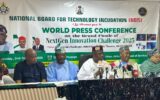
 Taiwo Oyedele, chairman of the Presidential Committee on Fiscal Policy and Tax Reforms, explained the new rules during a briefing. He noted that Nigerians working remotely for foreign firms, social media influencers, and other income earners abroad will be required to self-declare such income. In his words, “If that company were to be in Nigeria, it would deduct and pay on your behalf. The obligation falls on you to self-declare.”
He added that non-declaration would not be tolerated: “If you now refuse to declare, the government will see the movement of the money, and they will deem it as your income, charge you tax on it, add a penalty, and interest for the late payment.” According to him, from January 2026, all services — regardless of type — will fall under taxable income when money is received.
The rules also restate that anyone spending 183 days (about six months) in Nigeria within a year will be treated as a tax resident and liable to tax on worldwide income. By contrast, those spending fewer than 183 days will not generally be tax resident, although Nigeria-sourced income such as rental earnings remains taxable. “If you spend 183 days here in Nigeria… our laws say you’re tax resident here,” Oyedele stressed.
Other reforms include more progressive rules for capital gains. Sales of assets up to ₦150 million with net gains below ₦10 million will be exempt, while taxpayers will be allowed to net gains and losses before any tax liability arises. The same principle will apply to crypto transactions. The government has promised unilateral foreign tax credits to reduce the risk of double taxation for Nigerians abroad.
 While critics argue that the six-month residency test is harsh, it is not unique. The United Kingdom applies a Statutory Residence Test: spending 183 days there automatically makes one resident, though additional “ties” can also establish residency with fewer days. The United States taxes its citizens and green-card holders on worldwide income wherever they live, with limited reliefs such as the Foreign Earned Income Exclusion requiring 330 days abroad or full-year residence abroad. India applies a 182-day rule, or even 60 days combined with other conditions, to establish residency, while China uses a 183-day test along with a six-year rule that eventually extends taxation to global earnings of long-term foreign residents.
 In essence, Nigeria’s new approach mirrors global practice: extended presence in a country usually triggers tax residency and worldwide liability. The greater difference lies in enforcement — Oyedele highlighted that undeclared foreign receipts could be tracked and deemed taxable. For diasporans, this means transparency and compliance are now essential, even when income flows in from abroad.
With government aiming to raise tax revenue to 18% of GDP within three years, the reforms signal a decisive attempt to broaden the tax net. For Nigerians at home and abroad, the message is clear: the days of unreported cross-border income may soon be over.
—————————————————————————————————————————————
Your help to our media platform will support the delivery of the independent journalism and broadcast the world needs. Support us by making any contribution. Your donation and support allows us to be completely focus, deeply investigative and independent. It also affords us the opportunity to produce more programmes online which is a platform universally utilised.
Thank you.
Please click link to make – DONATION