

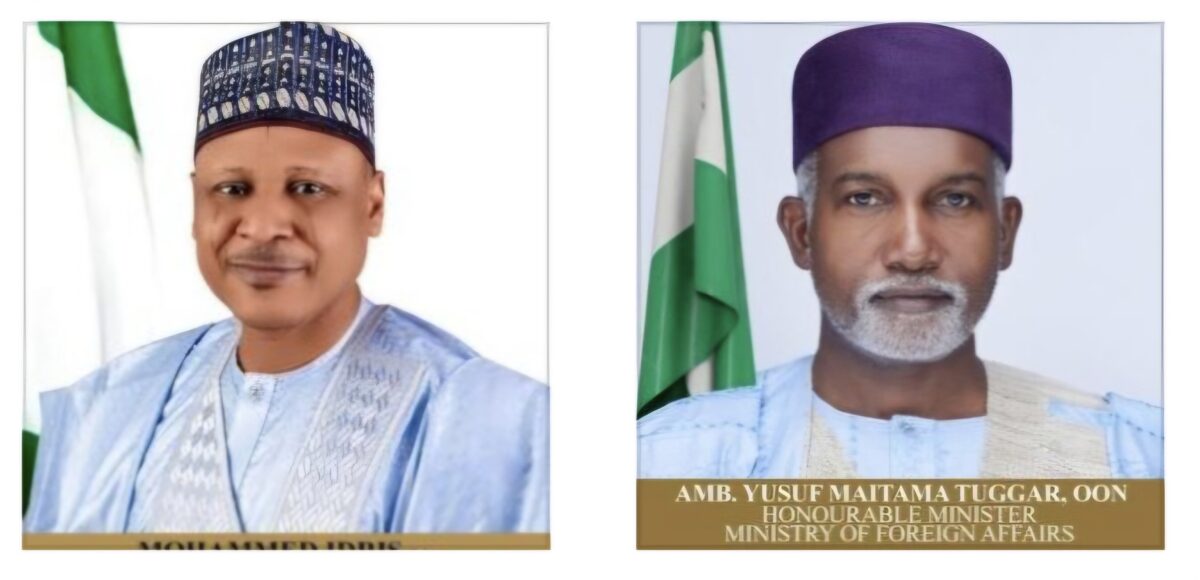
Nigeria’s federal government has pushed back strongly against international allegations that the country is undergoing a campaign of religiously-targeted killings, demanding accurate reporting and the airing of full, unedited statements from its officials.
The controversy erupted after high-profile comments in the United States and elsewhere suggested that Christians in Nigeria were being killed on a scale that amounts to genocide. Those claims — amplified in part by former U.S. President Donald Trump and by some U.S. lawmakers and commentators — prompted fresh international attention and calls for decisive action. Reuters and the AP report that the U.S. reinstated a “country of particular concern” designation and that the debate over the scale and nature of violence in Nigeria has intensified global scrutiny.
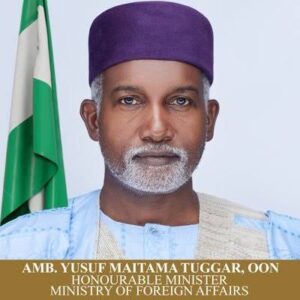 At the centre of the current media flashpoint is Foreign Affairs Minister Yusuf Tuggar, who appeared on the British talk show Piers Morgan Uncensored to set out Nigeria’s position. Tuggar has since demanded that the interview be broadcast “exactly as recorded, without edits or selective omissions,” saying that his aim was to offer a factual, contextual perspective and that Nigeria’s truth must not be distorted to fit external biases.
Tuggar reiterated that Nigeria’s constitution forbids state-backed religious persecution and urged international media and governments to avoid simplistic narratives that reduce the country’s complex security problems to a single cause. He stressed that attacks affecting Nigerians cut across faiths and regions, and that presenting the crisis as a targeted campaign by the state misrepresents the situation.
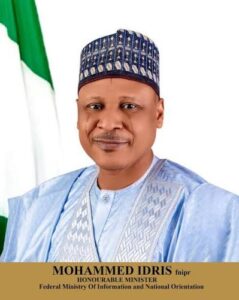 Speaking in Abuja and through government channels, Information Minister Mohammed Idris described the genocide allegations as “false, baseless, despicable and divisive,” warning that such claims inflame tensions and obscure the true nature of Nigeria’s security challenge. Idris emphasised that terror and criminal violence in Nigeria do not discriminate by religion — Christians, Muslims and others have all suffered — and called for responsible international commentary that recognises these complexities.
The Federal Government has pointed to recent security gains as evidence of its efforts against violent extremism, citing operations that it says have neutralised thousands of militants and rescued large numbers of hostages — numbers officials use to argue that the state is actively confronting terror groups rather than persecuting religious communities. Government statements and ministry reports underline these claims while urging global partners to support counter-terrorism cooperation that respects Nigeria’s sovereignty.
For Abuja, the demand that Tuggar’s full interview be aired is about more than media optics: it is an attempt to reclaim the narrative and present a comprehensive account to international audiences. Whether the broadcaster will accede to that request remains to be seen, but the episode highlights how quickly international commentary can escalate diplomatic tensions — and how critical accurate reporting is to avoid inflaming already fragile domestic fault lines.
—————————————————————————————————————————————
Your help to our media platform will support the delivery of the independent journalism and broadcast the world needs. Support us by making any contribution. Your donation and support allows us to be completely focus, deeply investigative and independent. It also affords us the opportunity to produce more programmes online which is a platform universally utilised.
Thank you.
Please click link to make – DONATION