


NiDCOM leads high-level talks to unlock diaspora investment, remittances, and skills transfer amid calls for stronger inter-agency collaboration.
By Ifeoma Onyekachi
Stakeholders in migration governance and diaspora engagement have renewed calls for a more coordinated and results-driven policy framework to maximise the contributions of Nigerians in the diaspora.
The push came during a high-level meeting of the Standing Committee on Diaspora Matters held in Abuja, where policymakers, development partners, and state representatives reviewed Nigeria’s diaspora engagement architecture and identified critical gaps limiting its full potential.
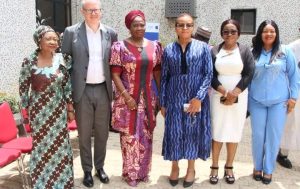
Chairman/Chief Executive Officer of the Nigerians in Diaspora Commission, Abike Dabiri-Erewa, emphasised the need for sustained institutional collaboration, noting that Nigeria’s diaspora remains one of the country’s most strategic assets.
She highlighted the importance of aligning federal and state-level initiatives, improving data systems on Nigerians abroad, and fostering inclusive platforms that enable diaspora communities to contribute meaningfully to national development.
The meeting comes against the backdrop of rising diaspora remittances, which continue to play a vital role in Nigeria’s economy. According to estimates from the World Bank, Nigeria consistently ranks among the top remittance recipients in Sub-Saharan Africa, with inflows running into billions of dollars annually often exceeding foreign direct investment in certain years.

Participants at the Abuja session stressed that beyond remittances, the diaspora offers significant value in knowledge transfer, technology exchange, and global networking opportunities. However, they noted that fragmented policies, limited coordination among agencies, and regulatory bottlenecks have constrained the full realisation of these benefits.
International partners present at the meeting encouraged Nigeria to adopt global best practices, including diaspora bonds, targeted investment incentives, and structured engagement platforms that can attract skilled professionals and investors back into the domestic economy.
There were also calls to strengthen legal and institutional frameworks to protect Nigerians abroad, improve consular support systems, and enhance trust between diaspora communities and government institutions.
The Standing Committee on Diaspora Matters is expected to scale up efforts toward policy harmonisation and implementation, with a focus on measurable outcomes, including increased diaspora investment, improved data tracking, and expanded participation in national programmes.
Analysts say that if effectively managed, Nigeria’s diaspora engagement strategy could serve as a critical lever for economic diversification, human capital development, and global competitiveness.
—————————————————————————————————————————————
Your help to our media platform will support the delivery of the independent journalism and broadcast the world needs. Support us by making any contribution. Your donation and support allows us to be completely focus, deeply investigative and independent. It also affords us the opportunity to produce more programmes online which is a platform universally utilised.
Thank you.
Please click link to make – DONATION