

Labour leaders warn of worsening conditions as inflation, job losses, and safety fears overshadow Workers’ Day celebrations.
By Ifeoma Onyekachi
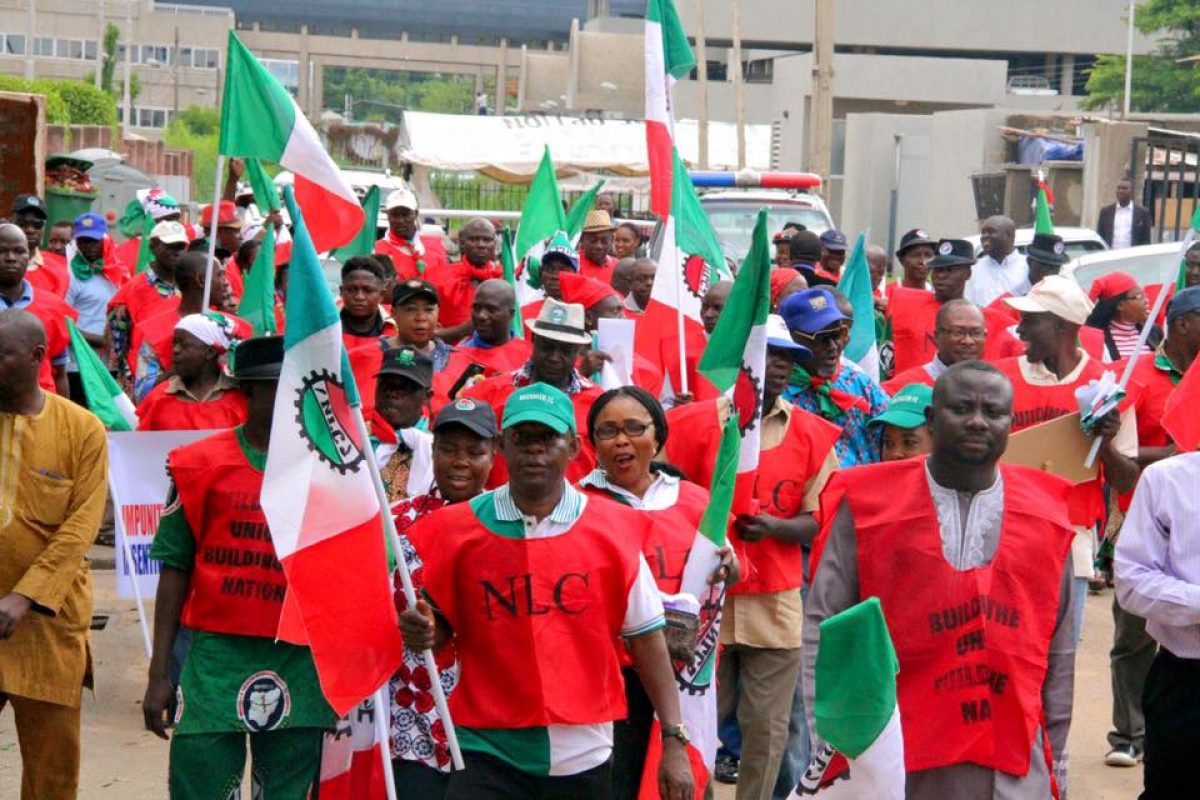
Nigerian workers marked this year’s International Workers’ Day under mounting economic and security pressures, with many describing their reality as increasingly difficult despite ongoing reforms.
From formal workplaces to the vast informal sector, workers across the country say rising living costs, job insecurity, and safety concerns have diminished the value of labour and strained livelihoods. The celebration, traditionally a moment of solidarity, has instead become a period of reflection for many grappling with economic uncertainty.
At the forefront of the concerns, the President of the Nigeria Labour Congress, Joe Ajaero, warned that worsening insecurity and poverty continue to undermine employment and productivity nationwide. He noted that nearly 90 per cent of jobs in Nigeria remain within the informal sector, where workers lack job security, pensions, and structured welfare.
Ajaero cautioned that unless urgent steps are taken to address insecurity and stabilise the economy, unemployment could rise further while decent jobs continue to decline. He added that improved security would enable farmers to return to their fields, boost food production, and stimulate job creation.
Echoing similar concerns, the Acting General Secretary of the National Union of Electricity Employees, Dominic Igwebike, highlighted the harsh conditions facing workers in the power sector. He cited arbitrary dismissals, stagnant wages, unsafe work environments, and widespread insecurity as key challenges.
Igwebike said electricity workers, including engineers and technicians, frequently face threats ranging from harassment to violent attacks while on duty. He also pointed to the vandalism of critical infrastructure and the risks posed by kidnappers and criminal groups, describing the situation as unacceptable for essential service providers.
Earlier, at a pre-May Day lecture organised by labour centres, development expert Toyin Olawunmi warned that the combined effects of poverty and insecurity could destabilise the country if left unchecked. According to him, economic productivity and decent work cannot thrive in an environment marked by fear, weak institutions, and declining purchasing power.
He stressed that insecurity has evolved beyond a security concern into a major economic threat, disrupting agriculture, trade, and service delivery, while placing additional burdens on already struggling workers.
Across the country, labour leaders maintained that without decisive action to curb inflation, improve safety, and protect jobs, the gap between wages and the cost of living will continue to widen, deepening hardship for millions of Nigerians.
—————————————————————————————————————————————
Your help to our media platform will support the delivery of the independent journalism and broadcast the world needs. Support us by making any contribution. Your donation and support allows us to be completely focus, deeply investigative and independent. It also affords us the opportunity to produce more programmes online which is a platform universally utilised.
Thank you.
Please click link to make – DONATION