

By ifeoma Onyekachi
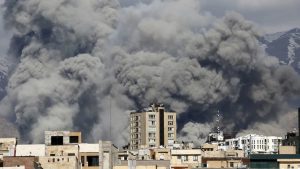
Global financial and energy institutions have stepped up coordinated efforts to cushion the far-reaching economic shocks triggered by the ongoing Middle East crisis, with a renewed pledge to support vulnerable countries facing rising costs and supply disruptions.
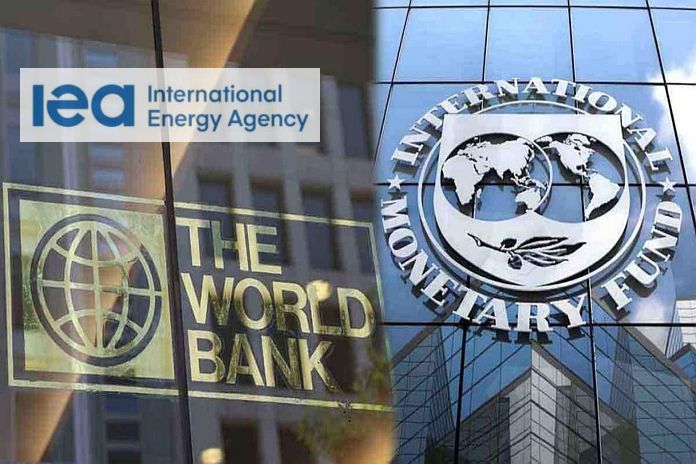
In a joint statement released on Monday, the heads of the International Energy Agency (IEA), International Monetary Fund (IMF), and World Bank Group reaffirmed their commitment to ensuring a resilient recovery for member nations most affected by the conflict.
The institutions disclosed that they convened under a coordination framework established in April to strengthen their collective response to the energy and economic fallout from the war. According to the statement, the crisis has had “substantial, global, and highly asymmetric” impacts, with energy-importing and low-income countries bearing the heaviest burden.
Rising prices of oil, gas, and fertilisers have intensified concerns over food security and employment, while some oil-producing nations in the Middle East are experiencing sharp declines in export revenues. The disruption has also affected global shipping, particularly through the Strait of Hormuz, where operations have yet to fully normalise.
The organisations warned that even after shipping routes stabilise, global supply chains may take time to recover, potentially keeping fuel and fertiliser prices elevated due to infrastructure damage. These disruptions are expected to create shortages of critical inputs, with ripple effects across energy, agriculture, and manufacturing sectors.
Beyond economic pressures, the crisis has also led to population displacement, job losses, and a downturn in travel and tourism impacts that could persist in the medium term.
The statement noted that the institutions had reviewed their latest assessments ahead of key reports, including the IEA’s Oil Market Report and the IMF’s World Economic Outlook. It added that teams from the three organisations are working closely at both global and country levels to provide targeted policy guidance and financial assistance where necessary.
They pledged continued monitoring of developments in energy markets and the broader global economy, alongside coordinated interventions aimed at stabilising affected economies and supporting recovery efforts.
The renewed commitment builds on an earlier agreement reached on April 1, when the three bodies established a joint coordination group to enhance their response to the ongoing crisis and its economic consequences.
—————————————————————————————————————————————
Your help to our media platform will support the delivery of the independent journalism and broadcast the world needs. Support us by making any contribution. Your donation and support allows us to be completely focus, deeply investigative and independent. It also affords us the opportunity to produce more programmes online which is a platform universally utilised.
Thank you.
Please click link to make – DONATION