

History is rarely fair in its first judgement. Across the world, individuals once branded as criminals, rebels, or enemies of the state have later emerged as presidents, governors, ministers, and lawmakers. This is not because their pasts were erased, but because nations, often exhausted by conflict – chose reconciliation over perpetual instability.
The uncomfortable truth is that peace is sometimes negotiated with those once hunted, jailed, or exiled. The deeper question is not whether this should happen, but how it happens: with remorse or denial, accountability or amnesia, healing or quiet resentment.

Nelson Mandela
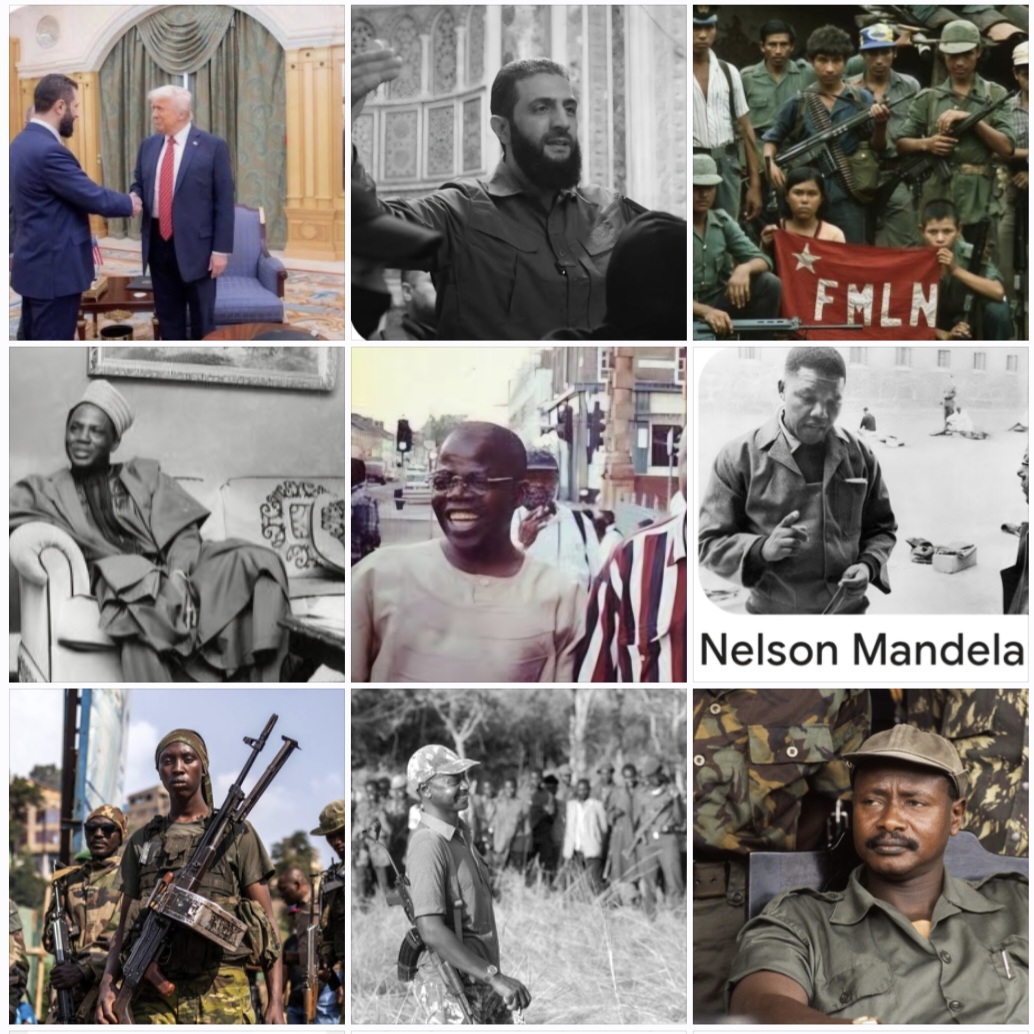
Nelson Mandela was once officially designated a terrorist by the apartheid state and imprisoned for nearly three decades. Yet South Africa’s survival depended on confronting the past through truth commissions, not denial. His presidency did not sanitise violence; it institutionalised reconciliation.
 Northern Ireland followed a similar path. Sinn Féin, once inseparable from the armed struggle of the IRA, transitioned into mainstream politics through the Good Friday Agreement. Disarmament, political inclusion, and international guarantees replaced bombs with ballots and not because the past was forgiven cheaply, but because endless conflict had become unbearable.
 Israel’s early leaders, Menachem Begin and Yitzhak Shamir, had once led armed groups classified as terrorist organisations by the British authorities. With the creation of the state, former militants were absorbed into governance, reflecting a global pattern: when states emerge or transform, yesterday’s outlaw often becomes today’s lawmaker.
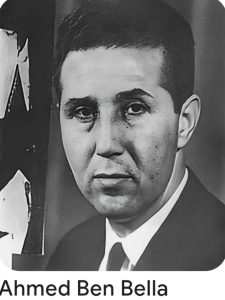 Africa mirrors this reality. Algeria’s Ahmed Ben Bella moved from armed resistance to the presidency. Uganda’s Yoweri Museveni rose from guerrilla warfare to state power. In the Democratic Republic of Congo, multiple rebel leaders were folded into transitional governments as part of fragile peace agreements.
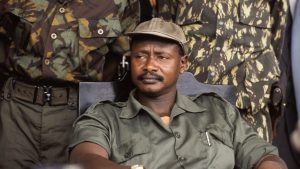
These arrangements were imperfect, but they reflected a harsh calculation: exclusion fuels war; managed inclusion may contain it.
Nigeria’s history is especially instructive.
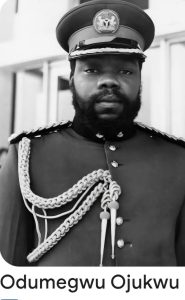 After the Biafran War, Chukwuemeka Odumegwu Ojukwu—once declared a rebel leader—was later reintegrated into national life, contested elections, and was received by successive governments. The policy of “No Victor, No Vanquished” was not moral absolution; it was national triage. Healing was prioritised over vengeance, even though justice and reconciliation remained incomplete.
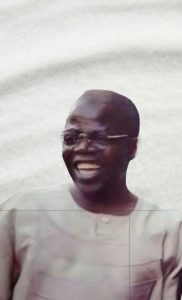 During the military era, the South-West produced another powerful example. Leaders of the NADECO movement, including Bola Ahmed Tinubu, were declared enemies of the military state and forced into exile. At the time, they were pursued, surveilled, and criminalised by security agencies. With the return to democracy, these same figures re-entered constitutional politics, became governors, senators, and eventually president of Nigeria. The state that once chased them later entrusted them with power.

Umaru Dikko
The North has its own chapter. Umaru Dikko, a powerful politician in the Second Republic, was accused of corruption, declared wanted, and infamously abducted abroad in a failed rendition attempt. Years later, he received a state pardon and returned to Nigeria. Though his political comeback was limited, the episode illustrates how state power can criminalise, forgive, and reintegrate – sometimes within the same generation.
These Nigerian examples cut across ethnic lines – East, West, and North, demonstrating that reconciliation is not the preserve of any one group. It is a recurring national survival strategy.
 More recently, Syria has provided one of the most controversial modern illustrations of this phenomenon. Ahmed Hussein al-Sharaa, also known by his nom de guerre Abu Mohammad al-Julani, rose as a rebel commander during the Syrian conflict, leading a group once designated a terrorist organisation by multiple international actors. Following the collapse of the previous regime, al-Sharaa rebranded his movement, dissolved its former structure, and transitioned into formal state leadership, becoming Syria’s president in 2025. His emergence as a recognised political figure and reported engagements with major global powers; underscores a stark reality of international politics: legitimacy is sometimes recalibrated by geopolitical necessity rather than moral clarity.
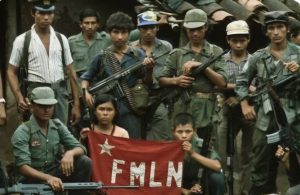 Elsewhere, Latin America offers similar lessons. El Salvador’s FMLN and Colombia’s M-19 and later FARC transitioned from armed insurgency into political parties following negotiated peace accords. In Nepal, Maoist rebels moved from jungle warfare to leading coalition governments. In the Middle East, movements such as Hezbollah in Lebanon and Fatah in Palestine evolved into political actors, though often with unresolved tensions between arms and authority.
Yet the global climate has shifted. The pursuit of alleged criminals across borders, high-profile extraditions, and extraterritorial law-enforcement actions by powerful states have narrowed the space for impunity. Power may delay accountability, but it no longer guarantees escape. Former rebels turned leaders now govern under unprecedented international scrutiny.
This sharpens the lesson: reconciliation without remorse is fragile; inclusion without accountability is dangerous. Forgiveness must be accompanied by evidence of reform, restitution, and guarantees of non-recurrence. Otherwise, yesterday’s conflict simply mutates into tomorrow’s crisis.
History does not teach that violence should be rewarded with office. It teaches that societies sometimes choose structured forgiveness over endless war. When done properly, reconciliation saves lives and rebuilds nations. When done poorly, it legitimises lawlessness and deepens wounds.
Peace is not achieved by forgetting the past, but by facing it honestly—with open minds, open hearts, and strong institutions that send one clear message: violence may force attention, but only accountability earns legitimacy.
—————————————————————————————————————————————
Your help to our media platform will support the delivery of the independent journalism and broadcast the world needs. Support us by making any contribution. Your donation and support allows us to be completely focus, deeply investigative and independent. It also affords us the opportunity to produce more programmes online which is a platform universally utilised.
Thank you.
Please click link to make – DONATION