

The United States has widened its emergency Ebola-related travel restrictions, temporarily barring some lawful permanent residents — green-card holders — from entering the country if they have recently travelled through the Democratic Republic of the Congo, Uganda or South Sudan within the past 21 days. The order, issued by the Centres for Disease Control and Prevention and the US Department of Health and Human Services, is initially set to last 30 days.
The move marks a significant escalation from the earlier restrictions announced on May 18, which had exempted US citizens and lawful permanent residents while blocking most other travelers who had recently been in the affected countries.
US officials said the expansion was driven by public-health concerns and limited quarantine capacity. The updated order argues that some green-card holders may maintain “stronger ties” to affected communities abroad than US citizens, making temporary exclusion “comparatively less burdensome.”
At the same time, the CDC has expanded enhanced Ebola screening at US airports. Returning US citizens and exempt travelers from the affected region are now being routed through both Washington Dulles International Airport and Hartsfield-Jackson Atlanta International Airport for additional health checks.
The restrictions come amid mounting alarm over an outbreak of the rare Bundibugyo strain of Ebola, for which there is currently no approved vaccine. The World Health Organization has classified the outbreak risk in the DRC as “very high” and declared the situation in the DRC and Uganda a public-health emergency of international concern.
According to figures cited by WHO and regional health authorities, dozens of confirmed cases and hundreds of suspected infections have been reported, particularly in eastern DRC’s conflict-affected provinces. The outbreak response has also been complicated by attacks on treatment facilities, mistrust of health authorities, and resistance to burial protocols designed to prevent transmission from infected bodies.
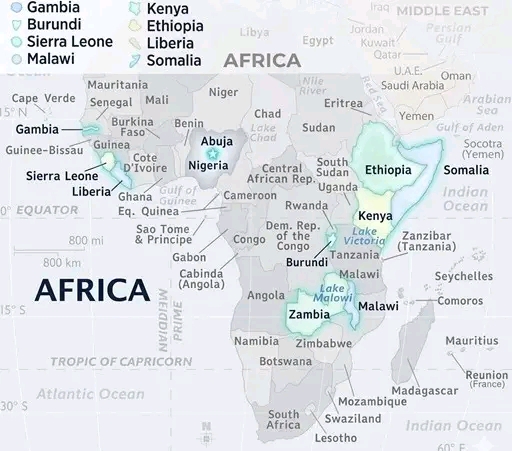
The Africa Centres for Disease Control and Prevention has warned that at least 10 African countries are at elevated risk because of regional mobility and porous borders. However, the agency has also criticized broad travel bans as a blunt instrument that may undermine outbreak response, disrupt humanitarian operations, and drive movement underground rather than stopping transmission.
Critics of the US measures argue that the restrictions echo pandemic-era border policies and may have limited epidemiological value if not paired with stronger international support for containment inside the outbreak zone. Public-health experts have instead emphasized surveillance, rapid testing, contact tracing, and treatment infrastructure as the most effective tools for stopping Ebola spread at its source.
—————————————————————————————————————————————
Your help to our media platform will support the delivery of the independent journalism and broadcast the world needs. Support us by making any contribution. Your donation and support allows us to be completely focus, deeply investigative and independent. It also affords us the opportunity to produce more programmes online which is a platform universally utilised.
Thank you.
Please click link to make – DONATION