

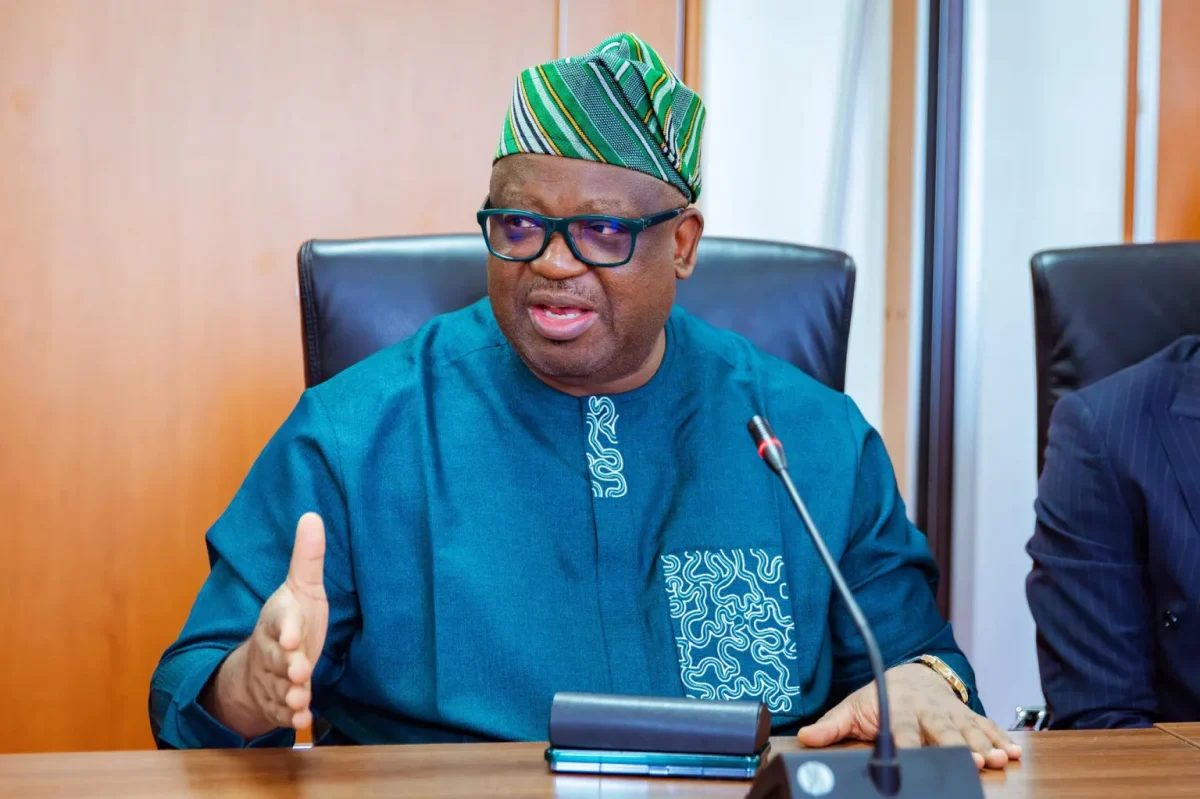
The Igbo Delegates Assembly (IDA), the umbrella body of Ndigbo in Northern Nigeria, has thrown its weight behind Plateau State Governor Caleb Mutfwang over his stance on the historical narrative surrounding the 1966 crisis and the Nigerian Civil War.
The group urged other northern governors to follow Mutfwang’s example, saying a reassessment of what it described as misconceptions about the events of 1966–1970 would help heal longstanding wounds and strengthen relations between Ndigbo and their host communities.
The call was contained in a communiqué issued at the end of the IDA’s third quarterly meeting held in Kaduna from August 21 to 22, 2026.
The communiqué, signed by IDA President-General, Chief Ken Okeugo, and Secretary-General, Donatus Nwugo, said Mutfwang’s rejection of the attribution of blame to the Igbo for the events of the period had lifted a “huge moral burden” from Ndigbo.
The assembly said the governor’s position had also reassured Igbo residents in the North about the safety of their lives and property.
The meeting brought together members of the IDA Executive Committee, presidents of Igbo community associations across the 19 northern states and the Federal Capital Territory, as well as representatives of Ndieze Igbo in the region.
The IDA said confronting what it considers an inaccurate historical narrative would contribute to reconciliation and promote greater understanding between Ndigbo and other communities.
It therefore called on northern governors to adopt similar positions in the interest of national unity and peaceful coexistence.
2027 Elections
The assembly also praised Igbo residents in the North for their participation in the voter registration exercise, describing it as a demonstration of their commitment to building an equitable Nigeria through democratic processes.
It urged registered voters to participate actively in future elections and exercise their constitutional rights.
On the 2027 presidential election, the IDA said it would adopt a measured approach in determining its political position.
The group said its eventual decision would not be driven by ethnic or religious considerations, but by the need to support leadership capable of advancing the interests of Ndigbo in the North and contributing to good governance.
The assembly also urged Ndigbo across the region to sustain peaceful relations with their host communities and exercise restraint in their public statements as political activities intensify ahead of the 2027 elections.
‘Eze’ Remains Preferred Title
The IDA also rejected the use of the title “Onyendu” for Igbo traditional rulers in Northern Nigeria, insisting that “Eze” should remain the accepted title.
The assembly described as a distraction the recent position of the South East Traditional Rulers Council on the nomenclature of Igbo traditional stools outside the South-East.
According to the IDA, matters concerning Igbo traditional institutions in Northern Nigeria fall within the authority of the respective Igbo communities, with the support of indigenous traditional institutions in their host communities.
It argued that retaining the title “Eze” would ensure that Igbo traditional rulers enjoy a status comparable to traditional leaders representing other ethnic communities outside their ancestral homes, citing titles such as Sarkin Hausawa, Oba Yoruba and Attah Igala.
The assembly also commended Kaduna State Governor Uba Sani for providing what it described as a peaceful and conducive environment for its quarterly meeting and for the atmosphere of peace enjoyed by Ndigbo in the state.
—————————————————————————————————————————————
Your help to our media platform will support the delivery of the independent journalism and broadcast the world needs. Support us by making any contribution. Your donation and support allows us to be completely focus, deeply investigative and independent. It also affords us the opportunity to produce more programmes online which is a platform universally utilised.
Thank you.
Please click link to make – DONATION