

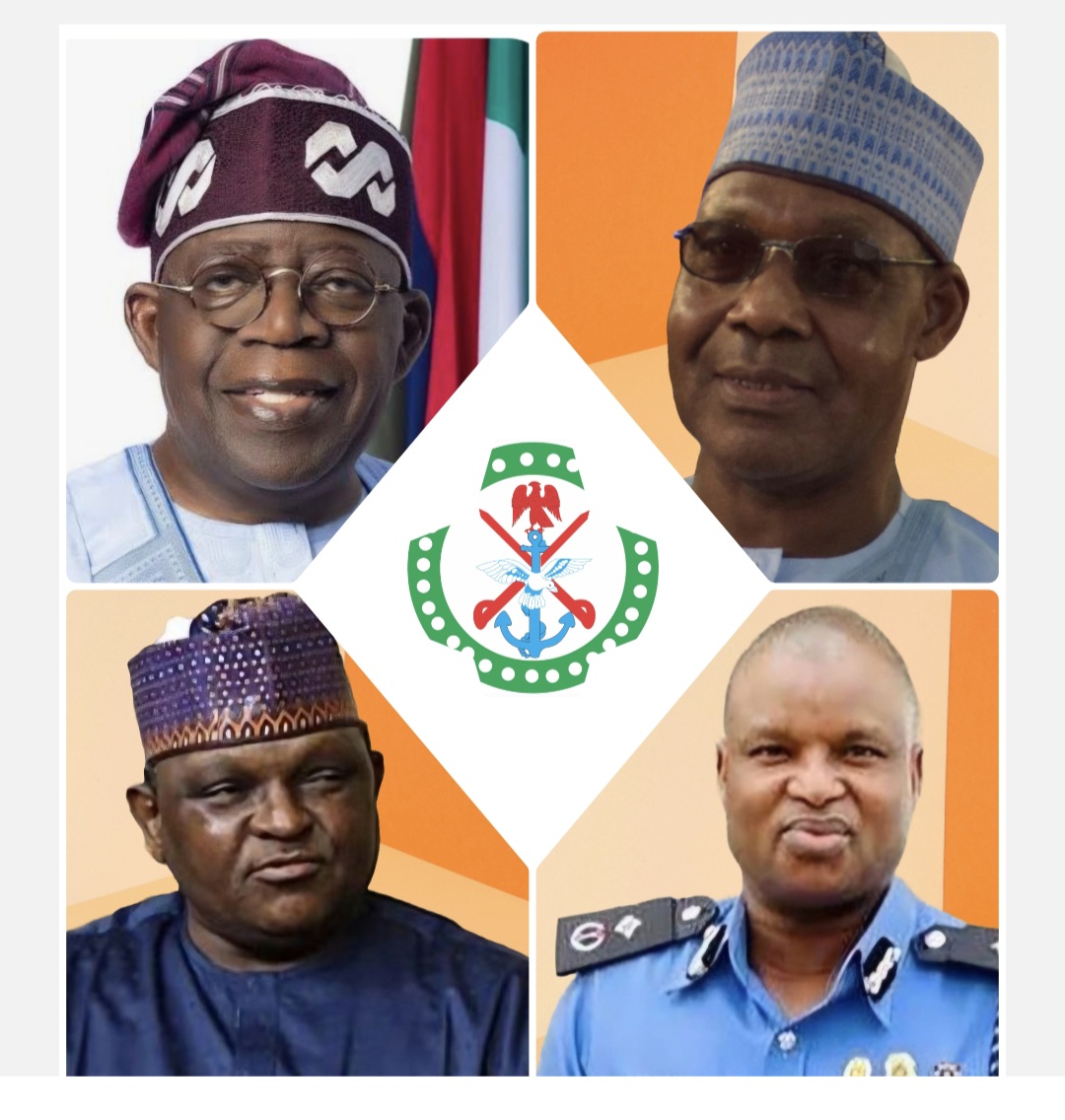
As Nigeria enters a new phase of security restructuring following the resignation of Defence Minister Mohammed Badaru, expectations are high. Citizens across all regions – the North battling insurgency and banditry, the Middle Belt confronting kidnappers & attacks, and the South-East facing separatist-linked violence, simply want one thing: real safety. The world is watching to see whether President Bola Tinubu can deliver the stability Nigerians have long demanded.
In moments like this, many countries have turned not only to serving officers but also to seasoned intelligence figures and retired operatives with deep operational networks. Israel has repeatedly elevated former intelligence chiefs into senior government security roles. Iraq tapped its intelligence director to lead the country during crisis. These decisions were not about perfection but capability.
 Nigeria may find similar value in selectively engaging some former intelligence officers, retired commanders and even controversial figures with a history of notable security successes. Names often mentioned include General Christopher Musa, already in some corners seen as an officer to the core and potential replacement for Minister of defence.
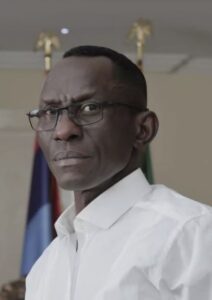 Others such as General Lucky Irabor, Brig-Gen Haliru Akilu, Major Hamza Al-Mustapha, and operationally effective officers like DCP Abba Kyari – now released on conditional bail and still credited by many with some of the most significant anti-kidnap operations in recent memory to be invited into a special assignment or roles under an agency or commission.
This is not a call for political appointments or public office. Rather, it is a suggestion that if these individuals and or others can contribute meaningfully to national safety, they could serve discreetly and temporarily under strict legal and operational controls. A 12-month special assignment – quietly executed, independently vetted, without immunity and under firm oversight; could focus on dismantling kidnap-for-ransom syndicates, disrupting bandit supply lines, stabilising flashpoints in the South, and improving intelligence coordination nationwide.
Nigerians have seen forgiveness extended to political actors in the past. If forgiveness is to serve the nation, then extending a conditional opportunity to those who can actually enhance security is a practical option; not a sentimental one. What citizens care about most is that children get home safely, educational and multi-gatherings places safer, travellers can move without fear, and farmers can return to their lands.
President Tinubu stands at a critical juncture. He can choose cosmetic changes, or he can pursue bold, measurable, results-driven solutions. If competence – wherever it exists, is mobilised responsibly, transparently and with clear limits, then Nigeria can begin to witness meaningful improvements in security.
In the end, Nigerians are not concerned with the personalities involved. They are concerned with outcomes. Peace, stability, and the safety of every region must be the priority. If the government’s new defence posture can achieve that, the nation will welcome it. Trade and investments will increased and the nation rejoices.
Featured by Nationals-in-Diaspora
Views and opinions welcome. Email to bentelevisionuk@gmail.com
—————————————————————————————————————————————
Your help to our media platform will support the delivery of the independent journalism and broadcast the world needs. Support us by making any contribution. Your donation and support allows us to be completely focus, deeply investigative and independent. It also affords us the opportunity to produce more programmes online which is a platform universally utilised.
Thank you.
Please click link to make – DONATION