


This Black History Month, 10 community groups across nine London boroughs have been awarded grants of up to £10,000 to help remember the legacy of transatlantic slavery
– Funding will deliver a range of activities, including walking tours and exhibitions, and further research to identify suitable locations for a network of memorials to the impact of transatlantic slavery
– The network of memorials will be linked to ‘The Wake’ – London’s new Memorial to Victims of Transatlantic Slavery which has secured planning permission
The Mayor of London, Sadiq Khan, has today announced that 10 community groups will each receive up to £10,000 to mark the impact of transatlantic slavery and continue work designed to create a network of memorials across the capital.
Announced during Black History Month, the funding will help organisations to deliver a range of activities, including walking tours and exhibitions, to deepen understanding of Transatlantic Slavery and its long-lasting legacy.
Provided by The National Lottery Heritage Fund, the funding will also help further research to identify locations for permanent memorials that will be placed across the capital. These memorials will be linked to The Wake – London’s new memorial to honour enslaved Africans who were trafficked as part of the Transatlantic Slave Trade, and their descendants – which has this month been awarded planning permission.
London played a major role in the organisation and funding of Transatlantic Slavery, but while there are numerous monuments and buildings reflecting the wealth and power created by the trade in enslaved African people and monuments to commemorate the abolition, there is little to remember the millions of African people who were enslaved.
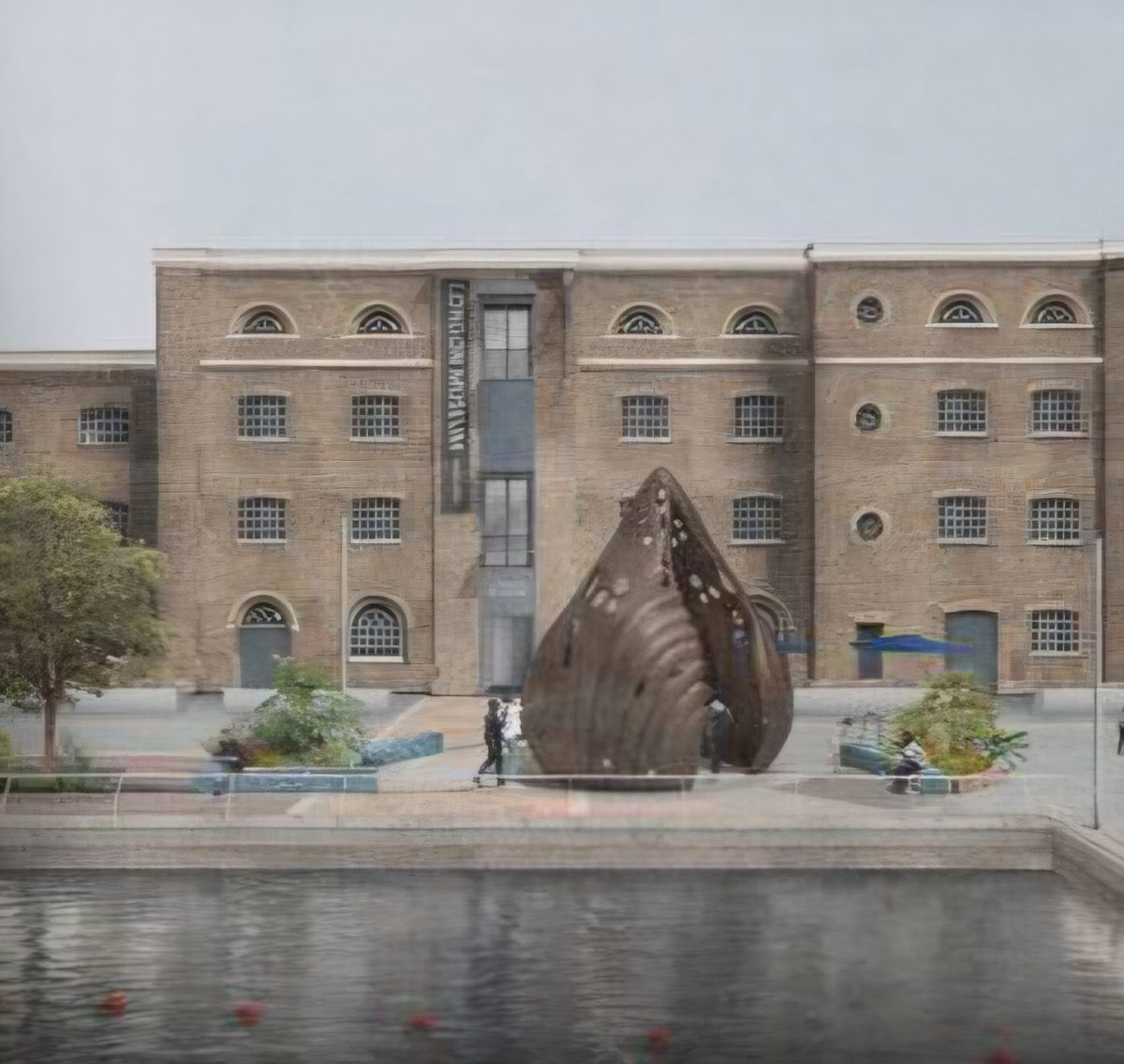
The Wake by artist Khaleb Brooks will be London’s first major public memorial to victims of Transatlantic Slavery and will be positioned in West India Quay, London Docklands, an area whose history is closely linked with transatlantic slavery.
Securing planning permission means that works can now begin to realise this nearly seven-metre-high bronze cowrie shell installation. Cowrie shells hold deep cultural significance, but became a stark symbol of slavery and the exploitation of human life as currency. The Wake will provide a permanent space for reflection and hope, acknowledging this dark history and the experiences of those affected by Transatlantic Slavery, while recognising remembrance is not only as a way of understanding the past, but as a means of imagining a more inclusive future.
There will also be a number of smaller memorials, inspired by the shell, across the capital. These will be developed using research that is taking place by the 10 organisations funded through the Mayor’s Sites of Memory programme.
Some of the projects funded include a touring exhibition in Camden about the lives of those that struggled for liberty, justice and freedom, a community-led research and storytelling project in Waltham Forest focused on the borough’s connections to Transatlantic Slavery and the longstanding presence of people of African descent, and a programme of five guided walking tours in The City of London to uncover overlooked Black histories of the Square Mile.
 The Mayor of London, Sadiq Khan, said: “The legacy of Transatlantic Slavery has been felt by generations of Black communities in London, across Britain and around the world, yet for too long our capital’s role in this crime against humanity has not been fully acknowledged.
“The Wake will provide an opportunity to reflect on this painful chapter of our shared history, while celebrating the significant achievements of descendant communities and looking ahead to a more inclusive future. By further supporting community organisations to deliver projects and research, we can ensure future generations fully understand the history that has shaped our capital, as we build a better and fairer London for everyone.”
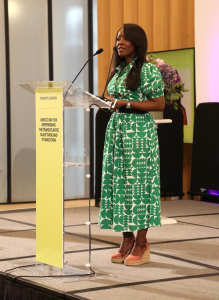 Deputy Mayor for Communities and Social Justice, Dr Debbie Weekes-Bernard, said: “History belongs to all of us and our public spaces should reflect the stories and experiences of every community. These projects will give Londoners new opportunities to learn, connect and reflect on the legacy of transatlantic slavery while helping to build a city where everyone feels seen, valued and included.”
Khaleb Brookes, artist, said: “At a time when solidarity, community engagement and historical reflection is needed more than ever, I am so excited by the possibilities a creative intervention such as this one will offer London. These sites not only speak to slavery’s past but will continue networks of survival long fostered by people of African descent. They are monuments of connection offering a sense of belonging to our future generations.”
Nerine O’Connor, Holly Street Luncheon Club, said: “We are delighted to be working in partnership with the Mayor’s Fund to celebrate and showcase the timeless history of our ancestors; their names, places, and enduring legacy. By honouring their stories and preserving their heritage, we ensure that their contributions continue to inspire generations to come, transcending time and shaping the future.”
Joyce Jacca, Founder and Director, Deptford People’s Heritage Museum, said: “We’re very excited for this opportunity to work with our community to link the past, present and future of Deptford Dockyard. We will be documenting its colonial past, its legacies in the present and practices of resistance used by African, Caribbean and other ancestral communities living in the former Dockyard’s immediate environment”.
—————————————————————————————————————————————
Your help to our media platform will support the delivery of the independent journalism and broadcast the world needs. Support us by making any contribution. Your donation and support allows us to be completely focus, deeply investigative and independent. It also affords us the opportunity to produce more programmes online which is a platform universally utilised.
Thank you.
Please click link to make – DONATION