



As international development financing faces growing pressure, African philanthropists, financial institutions and diaspora leaders are advancing a new approach to sustainable development, placing greater emphasis on private wealth, institutional governance and long-term investment in communities.
LONDON, 23 October 2026 — Africa’s development financing landscape is entering a period of significant transformation, with growing attention on how private wealth, family foundations and diaspora capital can complement traditional international assistance and support lasting economic and social progress.
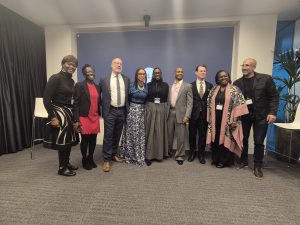
This emerging shift formed the centrepiece of Stewarding African Wealth: Catalyzing Diaspora Philanthropy for Development, a high-level London summit convened by Wealth for Impact alongside AFFORD and Standard Bank, bringing together influential voices from philanthropy, banking, investment and international development.
Held at ICBC Standard Bank on Gresham Street, the gathering examined how African families, entrepreneurs and professionals across the world can move beyond informal financial support towards structured, accountable and multigenerational philanthropy.

Will Groat
Welcoming participants, Will Groat, Head of West Africa for Personal and Private Banking International at Standard Bank, highlighted the importance of financial institutions in facilitating cross-border wealth management and supporting sustainable capital deployment.
The discussions, moderated by Omar Ben Yadder, explored the opportunities presented by African diaspora remittances, estimated at more than $110 billion annually, while recognising that remittances and philanthropic investments serve different purposes.
From traditional giving to generational impact

Ndidi
Ndidi Okonkwo Nwuneli, Co-Founder of Wealth for Impact, emphasised the increasing responsibility of African wealth holders to build sustainable development structures rather than depend primarily on international donors.

Together with fellow co-founder Emma Eseimokumai Lore, the initiative seeks to encourage families, professionals and entrepreneurs to adopt organised philanthropic approaches capable of delivering measurable results across generations.
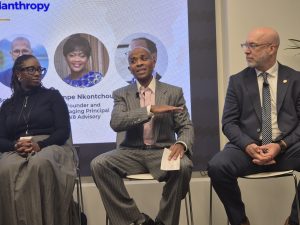
 Bimpe Nkontchou, Founder and Managing Principal of W8 Advisory, stressed that effective philanthropy begins with sound wealth governance. She highlighted the need for African governments to introduce stronger tax incentives for charitable contributions while encouraging families to establish trusts and professionally managed giving structures.
She also drew attention to changing generational expectations, with younger African wealth holders increasingly seeking transparency, sustainability and demonstrable social outcomes.
Hosh Ibrahim, an adviser to the Mo Ibrahim Foundation, challenged philanthropists to embrace catalytic investment and collaboration, particularly in addressing interconnected challenges involving energy access, climate resilience, healthcare and governance.
Hosh Ibrahim
Rather than pursuing individual recognition, he encouraged collaborative financing arrangements that strengthen local organisations and deliver broader community benefits.
African solutions delivering measurable results
Practical examples demonstrated how sustained family commitments can translate into lasting community transformation.
Boko Inyundo shared experiences from a family-supported initiative in western Kenya spanning three decades, with investments in clean water, youth development, education and sport.
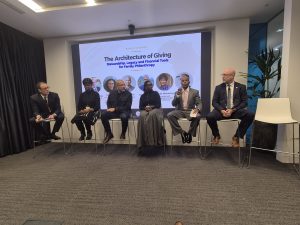
From Nigeria and UK, Didi Etomi, Trustee of Zacchaues Onumba Memorial Libraries, outlined an expanding educational initiative operating 55 libraries across seven states, including partnerships involving schools, public institutions and correctional facilities.
The programme illustrated how independent governance and institutional partnerships can help family-inspired charitable initiatives achieve wider public impact.
 Joining virtually, Tsitsi Masiyiwa shared experiences from her family’s philanthropic work, including educational support that has benefited more than 400 young people, some of whom have progressed to leading universities internationally. Her contribution reinforced the importance of sustained investment in human potential. Their upcoming project focusing more on diaspora engagement and remittances is called RemitHope.
Jonathan Sprigg, Head of International Fiduciary Services at Standard Bank Offshore, examined how charitable trusts, business equity and long-term funding structures can provide reliable financial support for development initiatives over several decades.
The summit reflected growing confidence that Africa’s development future can be strengthened through closer cooperation among its diaspora, financial institutions, family foundations and grassroots organisations.

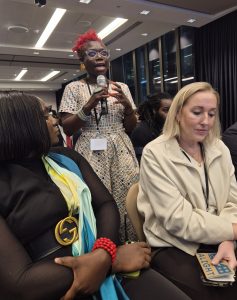
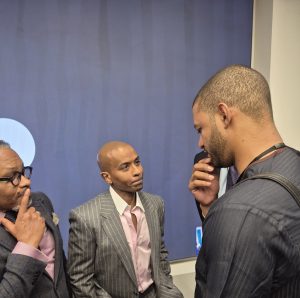

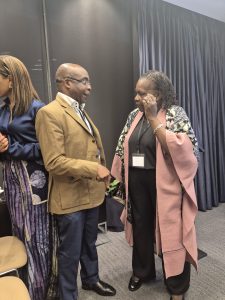

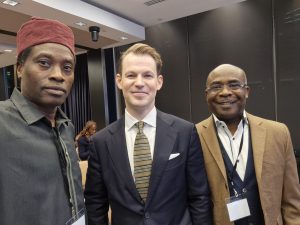
Contributions came from AFFORD Drector, NIDMECORP Commandant Alistair who commented on Africa’ gift aid scheme and a Professor from Cambridge on diaspora Hub.
While international partnerships remain important, participants emphasised that greater African ownership, transparent governance and strategic philanthropy could unlock substantial opportunities in education, healthcare, enterprise and community development.
The central message emerging from London was clear: Africa’s wealth should not simply be measured by the capital its people accumulate, but increasingly by the opportunities, institutions and lasting prosperity that wealth helps create.
BENTV | London
—————————————————————————————————————————————
Your help to our media platform will support the delivery of the independent journalism and broadcast the world needs. Support us by making any contribution. Your donation and support allows us to be completely focus, deeply investigative and independent. It also affords us the opportunity to produce more programmes online which is a platform universally utilised.
Thank you.
Please click link to make – DONATION