

Experts Blame Flooding, Poor Sanitation for Nigeria’s Recurring Cholera Outbreaks
As Nigeria enters the peak of the rainy season, public health experts have warned that flooding, poor sanitation and inadequate access to clean water continue to drive recurring cholera outbreaks, exposing millions of Nigerians to preventable illness and death.
The warning comes as health authorities battle a major cholera outbreak in Borno State, where rising infections have placed significant pressure on healthcare facilities.
International medical humanitarian organisation Médecins Sans Frontières (MSF) said more than 7,000 people had fallen ill in Maiduguri since early May 2026, with cases spreading rapidly across several communities.
According to the Borno State Ministry of Health, as of June 7, 2026, the state had recorded 7,850 suspected cholera cases across 14 local government areas and 50 wards, with 74 deaths reported both in health facilities and within affected communities.
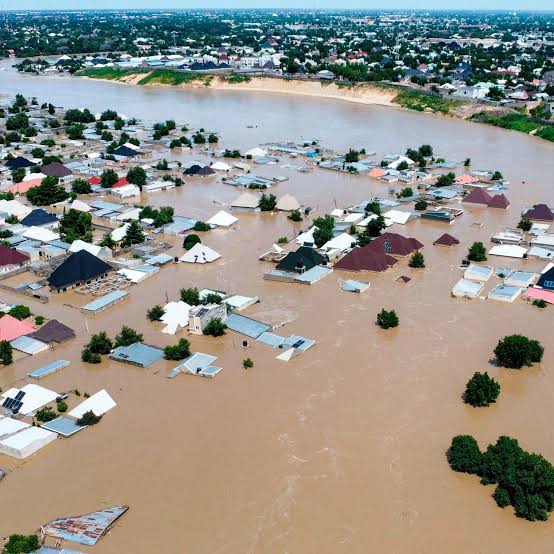
Health experts say the situation in Borno reflects broader vulnerabilities across Nigeria, where heavy rainfall often overwhelms weak sanitation systems and contaminated floodwaters trigger disease outbreaks.
Public health expert Dr. Ozy Okonokhua said the repeated cholera outbreaks were neither unexpected nor unavoidable, describing them as the result of long-standing environmental and structural deficiencies.
“The truth of the matter is that globally, Africa is usually the hardest hit when it comes to cholera outbreaks. One of the major reasons for the persistent recurrence is that our vulnerabilities are both environmental and structural,” he said.
According to Okonokhua, seasonal flooding creates ideal conditions for the spread of Vibrio cholerae, the bacterium responsible for cholera.
He explained that heavy rainfall frequently overwhelms drainage systems, causing floodwaters to wash human waste from damaged pit latrines and areas of open defecation into rivers, wells and other water sources used for drinking and household activities.
“When poor drainage overflows, faecal matter is exposed and washed into the environment. These contaminants eventually find their way into water sources used by communities for drinking and domestic purposes,” he said.
He noted that the contamination of water supplies significantly increases the risk of cholera transmission, as the disease spreads through contaminated food and water.
Beyond the seasonal rains, Okonokhua identified Nigeria’s inadequate water, sanitation and hygiene (WASH) infrastructure as a major contributor to the recurring outbreaks.
Despite years of public health campaigns, he said many communities still lack reliable access to safe drinking water, forcing residents to depend on untreated water sources.
“We have not fully imbibed the culture of water, sanitation and hygiene, and in many places the infrastructure is simply not there,” he said.
“Even when people want to do the right thing, safe water is not always available. Maintaining proper sanitation becomes difficult under such conditions.”
The public health expert also highlighted overcrowding as another key factor accelerating the spread of cholera, particularly in communities hosting people displaced by insurgency and communal violence.
He explained that the concentration of large populations in camps and informal settlements with limited access to clean water and sanitation facilities creates conditions that allow the disease to spread rapidly.
“When people are concentrated in one location, especially where infrastructure is inadequate, the risk of cholera transmission increases significantly,” Okonokhua said.
He added that shared water sources and poor hygiene practices in densely populated communities make outbreaks more difficult to contain.
While calling for increased government investment in water and sanitation infrastructure, Okonokhua stressed that individuals also have an important role to play in preventing cholera.
He urged Nigerians to prioritise good hygiene practices, including regular handwashing, proper disposal of waste, the use of safe drinking water and prompt medical attention whenever symptoms of cholera appear.
According to him, sustained investment in sanitation infrastructure, improved access to clean water and stronger public health education remain essential to breaking Nigeria’s cycle of recurring cholera outbreaks.
—————————————————————————————————————————————
Your help to our media platform will support the delivery of the independent journalism and broadcast the world needs. Support us by making any contribution. Your donation and support allows us to be completely focus, deeply investigative and independent. It also affords us the opportunity to produce more programmes online which is a platform universally utilised.
Thank you.
Please click link to make – DONATION