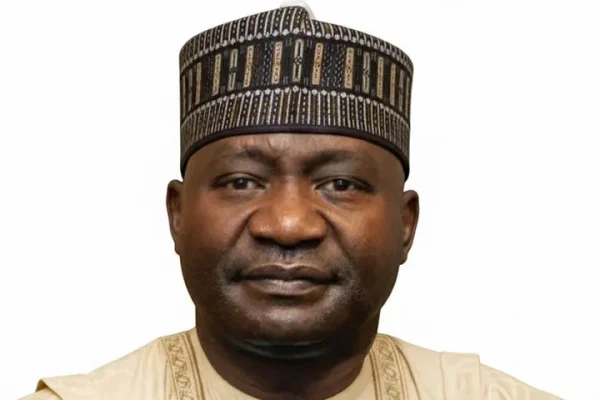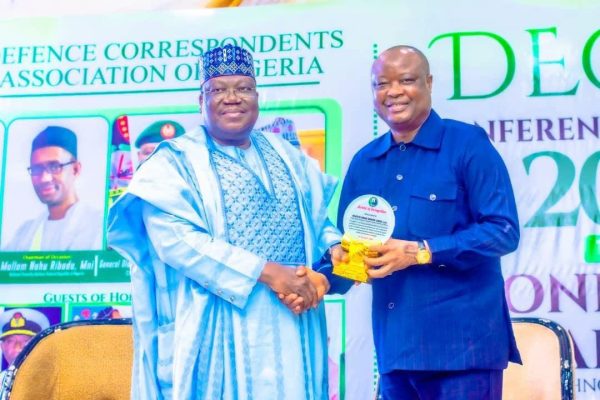


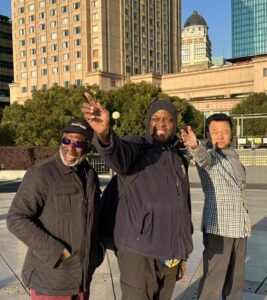
Teju kareem , Niyi Coker and our Host- The President of Shining Tonight Studio – Shanghai
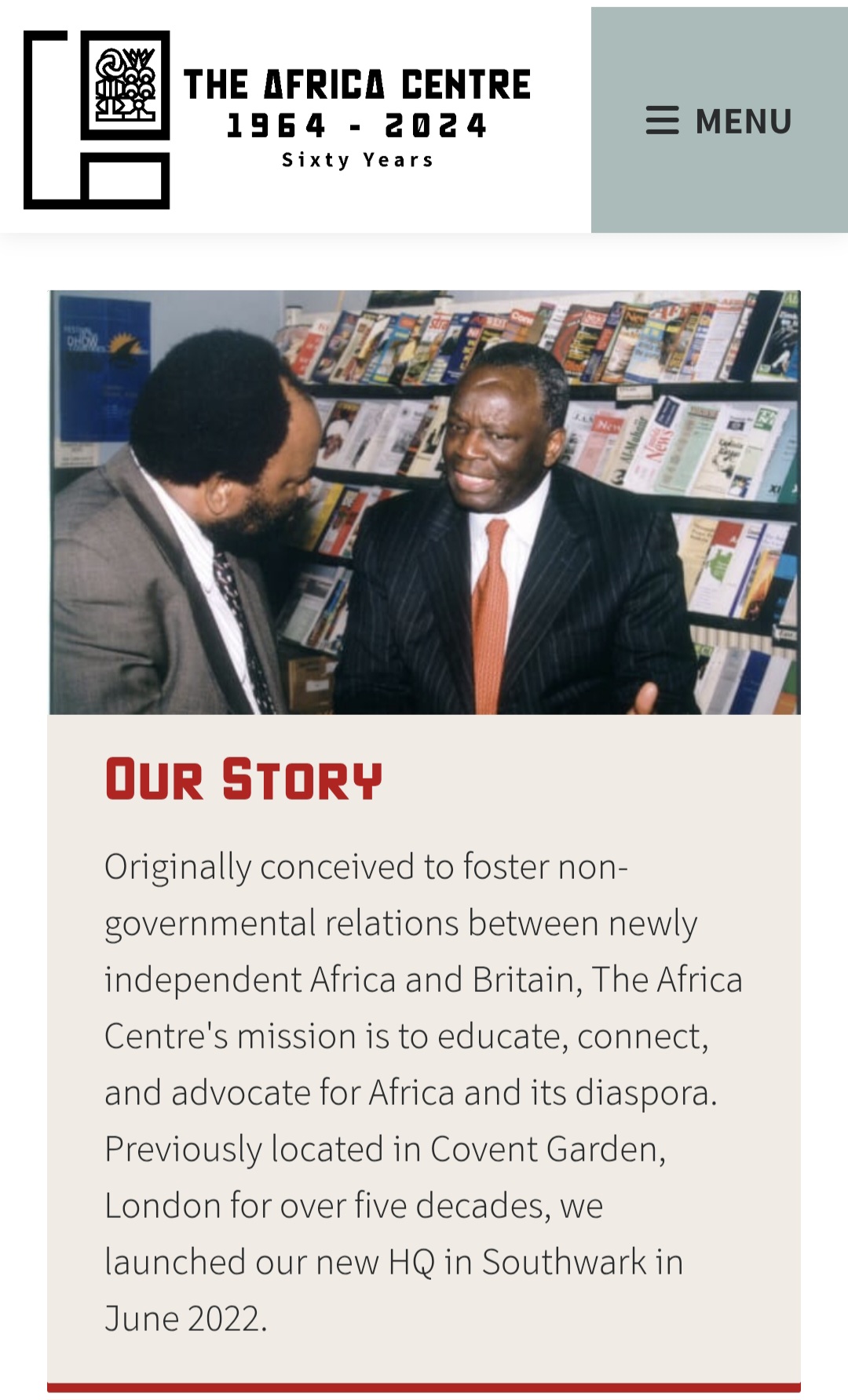
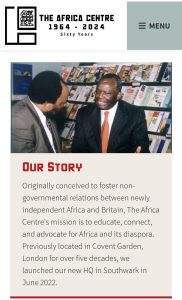
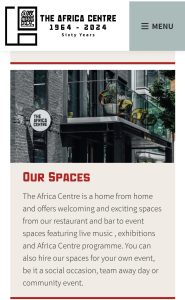
My visit to The Africa Centre, London and the subsequent encounter of the poetic with the philosophical left a profound reflection on the urgency of cultural continuity, intellectual ownership, and the responsibility of our generation to preserve the soul of African civilisation beyond performance and symbolism.
What became increasingly evident is that culture must no longer exist merely as memory or nostalgia. It must be institutionally protected, intellectually documented, economically valued, and globally projected. Our stories deserve permanence. Our folklore deserves legal and moral protection. Our heritage deserves structured transmission to future generations.
This is why the growing work around intellectual property and cultural preservation is so critical. The efforts being championed amongst this generation by Foza Doza (Oyinkansola Fawehinmi) represent more than advocacy; they constitute a necessary awakening. A reminder that IP is not only about commerce or ownership in the conventional sense, but also about safeguarding identity, protecting indigenous knowledge systems, preserving folklore, and ensuring that African creativity is neither erased nor exploited without recognition or value return to its people.
Equally inspiring was the encounter with the Poetic Tempo collective — a gathering of young minds largely within their twenties and thirties, intellectually grounded, academically exposed, socially mobile, yet deeply engaged with questions of identity, belonging, and African consciousness. Their presence alone was testimony that the African DNA continues to evolve, question, expand, and assert itself globally. Nostalgia is therefore out of the question. What matters now is reality — confronting it honestly, intellectually, philosophically, and culturally.
 One of the evening’s most compelling conversations revolved around the phrase “Black British.” The question emerged repeatedly:
Do we drop the “Black” or do we drop the “British”?
Which identity do we preserve? Which do we foreground? Or do we insist on holding both simultaneously?
The discussion was extensive, layered, and intellectually generous. No contribution was wasted. What became unmistakably apparent was that the African mind remains active, probing, restless, and alive. Africa is not static. Africa is mobile. Africa is thinking. And in that movement, her voice continues to shine brighter.
We cannot but continue to probe.
We cannot but continue to affirm.
We cannot but continue to own what originally is ours — defined by us, not defined for us.
Special appreciation to a good friend and colleague, Idris John Bakki Ogundipe, whose calm intellectual disposition added depth to the engagement. Kudos also to Tobi, a new friend encountered through the evening’s exchange, alongside several others whose contributions enriched the dialogue. And importantly, appreciation to Fadil of The Africa Centre for facilitating and elegantly wrapping up the evening.
What we all seemed to agree upon, directly or indirectly, is that purity must be embraced — but with total common sense. Africa and Aluta continue.
 And perhaps most importantly, the integrity of those who carry African culture across borders — or who hold custodianship of it within the continent itself — must rise above pettiness. The custodians of culture must themselves embody the dignity, discipline, clarity, and elevation that the culture deserves.
Perhaps this is one of the defining cultural responsibilities of our time:
to ensure that future generations inherit not fragments of who we were, but a protected, documented, intellectually defended, and proudly owned legacy of who we are.
— Dr. Teju Kareem
—————————————————————————————————————————————
Your help to our media platform will support the delivery of the independent journalism and broadcast the world needs. Support us by making any contribution. Your donation and support allows us to be completely focus, deeply investigative and independent. It also affords us the opportunity to produce more programmes online which is a platform universally utilised.
Thank you.
Please click link to make – DONATION