

Nigeria’s CNG Policy: A Practical Step Toward Energy Reform in Nigeria
Nigeria’s energy challenges are well documented—from fuel scarcity to high transportation costs and a dependency on petroleum-based products. But a recent spotlight at the Renewed Hope Global Virtual Town Hall Conference has added practical substance to the growing conversation around alternatives.
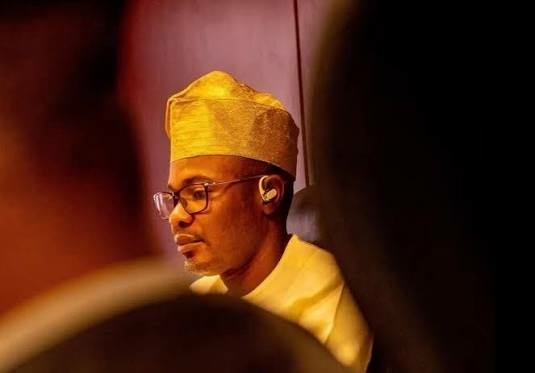
 At the heart of the discussion was Engr. Michael Oluwagbemi, Programme Director and Chief Executive of the Presidential CNG Initiative (Pi-CNG). He presented what appears to be a technically grounded and forward-facing strategy aimed at transitioning the nation’s fuel dependence from petrol to compressed natural gas (CNG). His delivery was fact-based, with tangible figures reflecting real progress—something often missing in Nigerian policy communication.
Launched in August 2023, the CNG initiative sets three ambitious goals: converting one million commercial vehicles for free, stimulating investment in the sector, and ensuring safety and transparency in the value chain. According to Oluwagbemi, the policy has already achieved 33% of its conversion target, established over 250 licensed conversion centres, and trained 10,000 technicians. This is backed by $500 million in investment—an encouraging development in a country often starved of strategic infrastructure funding.
Beyond figures, the effort to include regulatory agencies such as the Standards Organisation of Nigeria, the Nigeria Institute of Transport Technology, and the National Automotive Design and Development Council points to a coordinated approach. However, the ultimate test will be in execution and regulation—not in policy articulation or event presentations.
 Of note is the reported emphasis on local content under the Nigeria First Policy. Vehicles are being assembled in Enugu and Onitsha, and new manufacturing hubs are planned across all six geopolitical zones. While this may seem like a nod to regional balance, it also represents an opportunity to decentralize industrial development—if genuinely pursued.
Importantly, Engr. Oluwagbemi reassured participants about the safety of CNG with inbuilt valves and regulatory oversight. Questions from participants ranged from safety concerns to access, discounts, and integration in rural agriculture—reflecting both hope and skepticism from a discerning public.
The event also featured appearances by top officials, including Rt. Hon. Femi Gbajabiamila, Chief of Staff to the President, and Dr. Mustapha Abdullahi of the Energy Commission of Nigeria. Their brief endorsements added political weight but did not overshadow the policy’s technical framing.
What stands out is the conference’s platform itself—a weekly virtual engagement drawing participants from across the globe. It serves as a digital civic square for Diasporans and policy influencers to interrogate national developments and offer ideas. But the utility of such platforms hinges on transparency, inclusivity, and the willingness of government actors to act on feedback—beyond applause.
While some feedback from attendees leaned towards sentiment and partisanship, others offered critical insights—such as expanding CNG use to rural machinery to reduce food production costs, and calls for broader orientation programs. These are the types of constructive engagements Nigeria needs in this transition period.
This initiative—if sustained—could be a pivotal step toward diversifying Nigeria’s energy mix and reducing the burden of petrol subsidies. However, success depends on consistency, public education, investor confidence, and ultimately, governance. Nigerians are weary of promising starts that don’t translate into systemic change.
 The government’s responsibility now is twofold: first, to ensure the CNG rollout goes beyond urban centers into underserved communities; and second, to institutionalize this effort so it survives beyond the current administration. Only then can this policy move from a hopeful beginning to a sustainable national legacy.
In a country that has seen many well-intentioned policies derailed by corruption, inertia, or politicization, the CNG initiative presents both an opportunity and a litmus test.
For those watching from the Diaspora and within, the question remains: will Nigeria finally make a clean break from fuel dependency, or is this another spark that risks being extinguished by the old systemic fires?
The Programmes was hosted by Barrister Kayode of the Global Virtual Town Hall Conference.

—————————————————————————————————————————————
Your help to our media platform will support the delivery of the independent journalism and broadcast the world needs. Support us by making any contribution. Your donation and support allows us to be completely focus, deeply investigative and independent. It also affords us the opportunity to produce more programmes online which is a platform universally utilised.
Thank you.
Please click link to make – DONATION