

By Mazi. Godson. Azu
A Legacy of Greatness
The Yoruba occupy a central place in African history. From the spiritual cradle of Ile Ife to the imperial might of Oyo, from the mercantile genius of the Ijebu to the resilience of the Egba and the industriousness of Ekiti and Ondo, the Yoruba built some of the continent’s most sophisticated precolonial states.
Yet today, the same civilisation that once inspired admiration across West Africa faces a crisis of identity. Instead of unity, rivalry dominates. Instead of cohesion, supremacy battles distract. Instead of commanding respect, Yoruba traditional institutions risk ridicule.
The Stool Wars: Alaafin vs Ooni
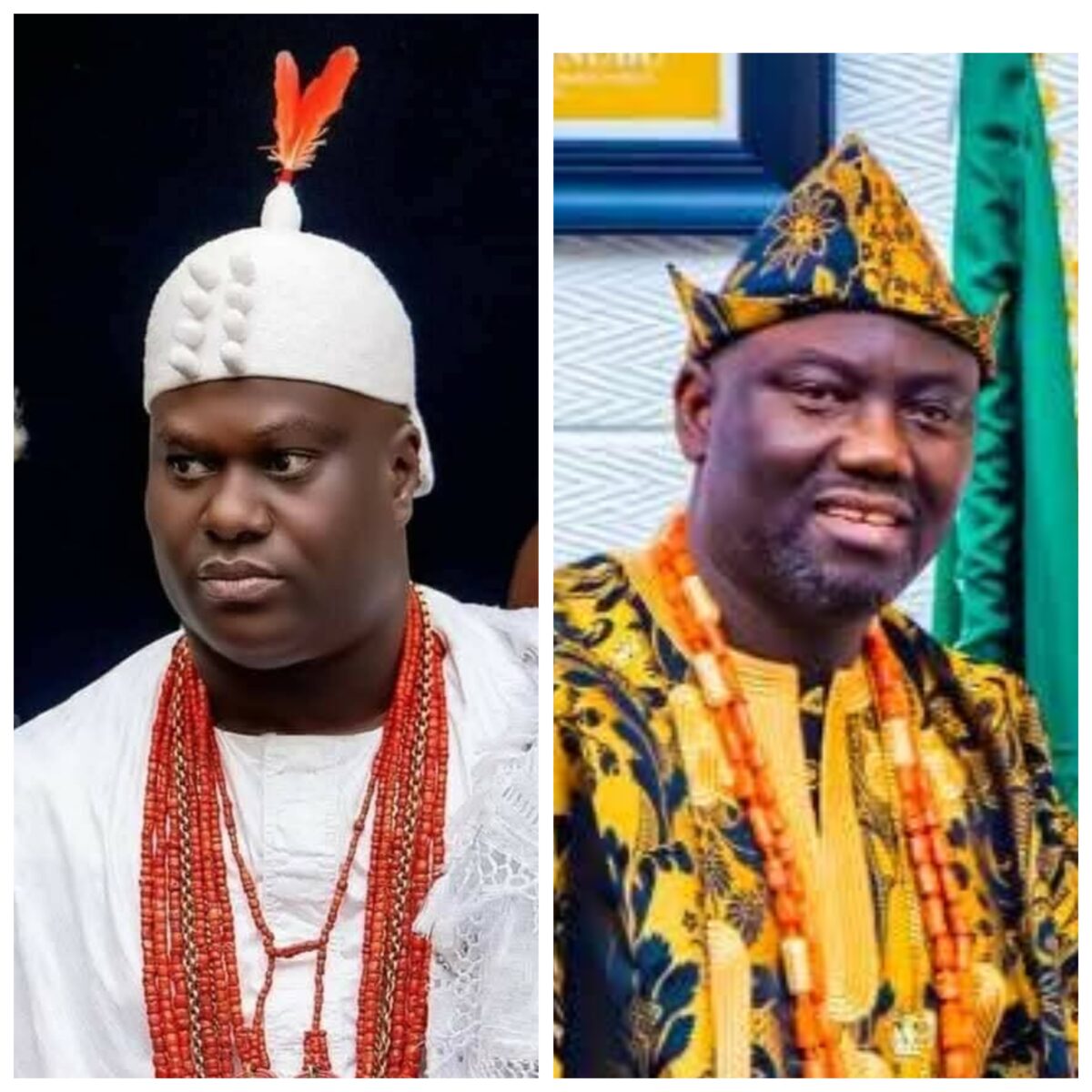
The latest flashpoint in this centuries-old tension is the contest between the Alaafin of Oyo and the Ooni of Ife.
• The Ooni, as custodian of Ife’s spiritual heritage, asserts ritual seniority.
• The Alaafin, as heir of Oyo’s imperial tradition, insists on political authority.
The dispute over the Ooni’s controversial appointment of Okanlomo Oodua revived old wounds. The Alaafin’s camp reacted with fury, claiming the title could only come from Oyo. Insults flew on social media, with one aide referring to the Alaafin as “Alawada Babasala”—a public affront that shocked Yoruba observers.
This tit-for-tat erodes not only the prestige of the stools but also the collective dignity of the Yoruba.
Sub-Ethnic Rivalries Run Deep
Beyond Ife and Oyo, other divisions persist:
• In Ogun, the Remos resist classification as Ijebu, despite shared history and language.
• In Oyo State, Ibadan maintains dominance over Oyo town, fuelling internal resentment.
• Ekiti and Ondo often spar over questions of seniority and identity.
The outcome is fragmentation. Calls for a “Yoruba Nation” are not new, but the practical question lingers:
• Who will lead? An Egba, an Ijebu, an Ondo, or an Ekiti?
• Where would the capital be? Ibadan, Ile Ife, Abeokuta, Osogbo, Akure, Ijebu Ode, or even Ilorin?
No group is willing to accept subordination. The dream of a united Yoruba state, if ever attempted, could quickly unravel into factional strife.
Tradition vs Democracy
In the colonial and postcolonial eras, Yoruba identity was reshaped into political geography: the Western Region, then states such as Ogun, Oyo, Osun, Ekiti, and Ondo. But democracy has not resolved old rivalries.
Governors manipulate Obas for political gain; Obas jostle for relevance in a system where elected officials hold real power. Thus, Yoruba nationalism becomes more symbolic than actionable—flourishing in rhetoric, faltering in execution.
Tinubu and the Road to 2027
Into this fractured landscape steps President Bola Ahmed Tinubu, the most prominent Yoruba politician of the era. His reelection in 2027 may hinge on whether he can navigate these rivalries while delivering economic relief to ordinary people.
• 2023 Recap: Tinubu lost Lagos (his own base) and Osun, but carried Oyo, Ekiti, Ogun, and Ondo.
• 2027 Outlook:
• Lagos and Osun are his most vulnerable states.
• Ogun, Ekiti, and Ondo remain strongholds.
• Oyo is a battleground under PDP Governor Seyi Makinde.
The deciding factor? Economics. Nigerians are reeling from subsidy removal, FX reforms, and inflationary shocks. If by 2026 household costs—food, transport, energy—have not visibly eased, opposition forces (PDP and Labour) will be poised to exploit Yoruba urban discontent.
Beyond Palace Politics
The royal quarrels—Alaafin vs Ooni, succession disputes in Ijebu, the antics of the Oluwo—may grab headlines, but their electoral impact is marginal compared to kitchen-table economics. However, these clashes do matter symbolically: they risk lowering Yoruba prestige, at a time when collective dignity should strengthen, not weaken, the region’s bargaining power in Nigeria’s federation.
A People at the Crossroads
The Yoruba stand today at a historic crossroads. They are admired globally for culture, scholarship, enterprise, and art. But internal rivalries, supremacy battles, and political divisions threaten to erode this legacy.
For Tinubu, the lesson is sobering: his reelection path depends less on a romantic “Odùduwà Nation” and more on real economic recovery, political consolidation, and humility in leadership. For the Yoruba at large, the call is urgent: rise above petty quarrels, or risk becoming a cautionary tale—a great civilisation undone by its own divisions.
Sidebar: Key Flashpoints to Watch Before 2027
• Inflation and Food Prices: Can the Tinubu government stabilize costs?
• Lagos Youth Discontent: Will urban frustration trigger another protest wave?
• Osun and Oyo Politics: PDP vs APC trench wars will shape Southwest results.
• Alaafin Stool Vacancy: Could palace litigation suppress turnout in Oyo town?
• Opposition Unity: Will PDP and Labour merge, or remain divided?
Conclusion
The Yoruba cannot afford to let ancient rivalries and royal egos dictate their destiny. Respect must return to the stools, responsibility must guide the governors, and relief must reach the people. Otherwise, the legacy of Odùduwà risks crumbling under the weight of its own contradictions—just as Nigeria prepares for its most pivotal election yet.
—————————————————————————————————————————————
Your help to our media platform will support the delivery of the independent journalism and broadcast the world needs. Support us by making any contribution. Your donation and support allows us to be completely focus, deeply investigative and independent. It also affords us the opportunity to produce more programmes online which is a platform universally utilised.
Thank you.
Please click link to make – DONATION