

By ifeoma Onyekachi
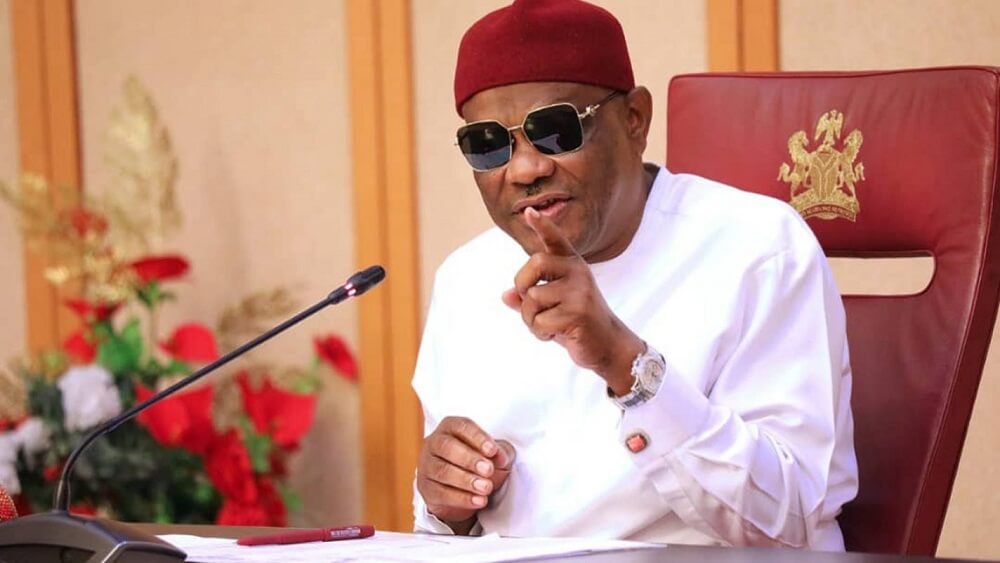
Nigeria’s Federal Capital Territory Minister, Nyesom Wike, has come under heavy criticism following a controversial remark in which he suggested he could have “shot” a television journalist during a media exchange, a statement that has triggered debate about political rhetoric, press freedom, and democratic norms.
Although aides to the minister insist the comment was figurative, the backlash from journalists, civil society groups, and political actors has continued to grow, with many arguing that such language from public officials is dangerous regardless of intent.
The Incident
The controversy began during a media parley in Abuja where Wike reacted strongly to comments made by television journalist Seun Okinbaloye during a political programme.
Okinbaloye had raised concerns about Nigeria possibly drifting toward a one-party state, a topic that has become increasingly sensitive in political discussions ahead of the 2027 elections.
Responding to the comment, Wike said:
“If there was any way to break the screen, I would have shot him.”
The remark quickly spread across social media and news platforms, prompting widespread condemnation and calls for an apology.
Official Reaction and Defence
Following the backlash, Wike’s media aide described the comment as hyperbolic, insisting it was not a literal threat but an exaggerated expression made in the heat of political debate.
According to the minister’s camp:
The statement was figurative and emotional
It was not intended as a threat
The issue had been clarified with the journalist involved
Supporters of the minister argue that exaggerated expressions are common in political communication and should not be interpreted literally.
Pattern of Combative Political Communication
However, critics say the incident reflects a broader pattern in Wike’s political communication style. As former governor of Rivers State and now FCT Minister, he has built a reputation for direct, confrontational public statements and blunt criticism of opponents.
Political analysts say this style has helped him project political strength and authority, but it has also blurred the line between assertive leadership and intimidation.
They note that in previous public engagements, Wike has often:
Publicly rebuked political opponents in blunt terms
Accused institutions and individuals of bias in emotionally charged language
Framed criticism as political hostility
While supporters describe this approach as political authenticity, critics argue it reflects intolerance for opposing views.
Press Freedom Concerns
Media rights organisations and civil society groups have warned that even rhetorical references to violence by powerful public officials can have serious consequences.
According to advocacy groups, such remarks:
Can be perceived as intimidation
Contribute to a climate of fear for journalists
Risk normalising hostility toward media professionals
Nigeria has a history of journalists facing arrests, harassment, and intimidation while covering politically sensitive issues, making such comments particularly sensitive in the country’s democratic environment.
Political Context
The controversy comes amid heightened political tension and growing debate about opposition strength and democratic plurality ahead of the next election cycle.
Opposition figures, including allies of Atiku Abubakar, have condemned the remark, describing it as dangerous and inappropriate for a public office holder.
Political observers say the incident highlights the increasing tension between political elites and the media, as journalists become more assertive and political competition intensifies.
The Bigger Debate
Analysts say the controversy goes beyond one comment and raises broader questions about political culture and democratic values in Nigeria.
They argue that in a democracy, language from public officials carries significant weight because it:
Signals how dissent is treated
Shapes public behaviour
Influences the safety and independence of the press.
Conclusion
Although Wike’s supporters insist the remark was merely hyperbole, the controversy has reignited debate about the limits of political speech and the responsibility of public officials to promote democratic norms.
As of the time of this report, the FCT Minister has not issued a formal public apology, but the debate continues about power, political rhetoric, and the role of the media in Nigeria’s democracy.
—————————————————————————————————————————————
Your help to our media platform will support the delivery of the independent journalism and broadcast the world needs. Support us by making any contribution. Your donation and support allows us to be completely focus, deeply investigative and independent. It also affords us the opportunity to produce more programmes online which is a platform universally utilised.
Thank you.
Please click link to make – DONATION