

ABUJA — The United Nations has warned that millions of Nigerians facing food insecurity, malnutrition and disease outbreaks could miss critical humanitarian assistance as the country’s 2026 humanitarian response faces a $159 million funding shortfall.
The UN Resident and Humanitarian Coordinator in Nigeria, Mohamed Fall, raised the alarm in Maiduguri on Wednesday as the United Nations marked World Humanitarian Day and appealed for urgent support from international donors, the Nigerian government, the private sector and other stakeholders.
Fall said Nigeria’s Humanitarian Needs and Response Plan remained severely underfunded despite the growing scale of humanitarian challenges, warning that hundreds of thousands of vulnerable people could lose access to lifesaving assistance during the remaining months of the year.
“Needs continue to rise faster than available resources,” Fall said, stressing that current funding represented only a fraction of the resources available to humanitarian operations in previous years.
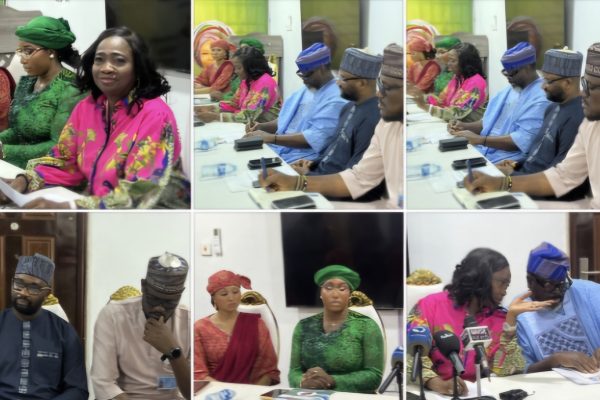
The warning followed a visit by Fall and members of the UN and Humanitarian Country Teams to nutrition and cholera treatment centres in Maiduguri.
The delegation met health workers, humanitarian personnel, caregivers and patients and assessed ongoing efforts to address the humanitarian crisis in the Northeast.
The UN said its humanitarian response reached nearly 900,000 people in the first half of 2026, despite dwindling financial resources.
According to the organisation, $135.5 million has so far been allocated through the Nigeria Humanitarian Fund and the Central Emergency Response Fund to respond to emergencies across the country.
However, the UN said additional funding was urgently needed to bridge the shortfall and sustain critical interventions as humanitarian needs increase during the lean and rainy seasons.
Fall expressed particular concern over the situation in Borno State, where government authorities, health workers and humanitarian organisations are coordinating efforts to contain an ongoing cholera outbreak.
He disclosed that more than 55,000 cholera patients had so far received treatment, while hygiene promotion services had reached more than one million people.
The UN called on donors, government institutions, businesses and other stakeholders to increase their contributions to humanitarian operations, warning that continued funding shortages could undermine efforts to prevent further loss of lives among vulnerable communities.
The organisation stressed that timely funding remained critical to sustaining food assistance, nutrition services, healthcare, disease prevention and other lifesaving interventions across Nigeria.
—————————————————————————————————————————————
Your help to our media platform will support the delivery of the independent journalism and broadcast the world needs. Support us by making any contribution. Your donation and support allows us to be completely focus, deeply investigative and independent. It also affords us the opportunity to produce more programmes online which is a platform universally utilised.
Thank you.
Please click link to make – DONATION