

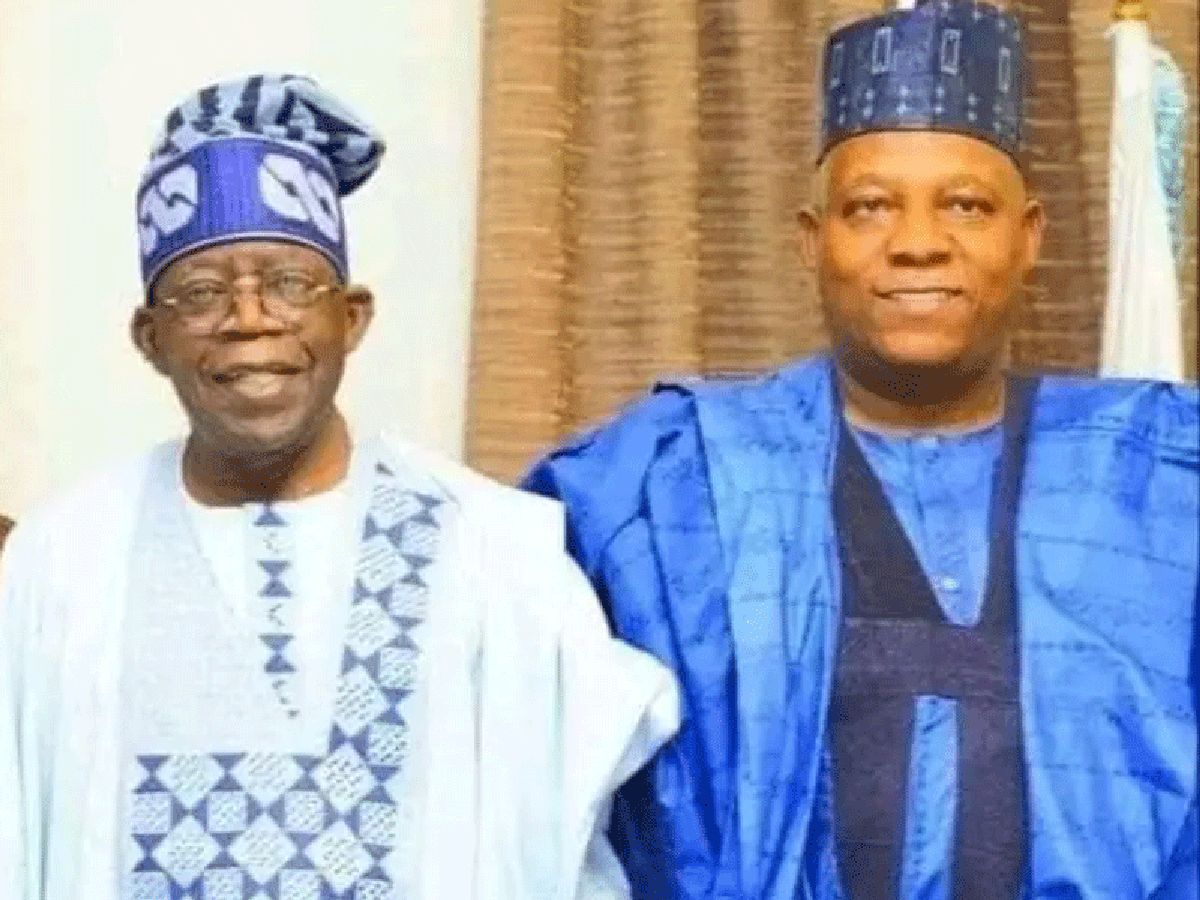
 Nigeria’s message at the 81st United Nations General Assembly, delivered by Vice President Kashim Shettima on behalf of President Bola Ahmed Tinubu on 24 September 2026, deserves serious reflection.
For me, this was more than another international speech. It was a statement about where Nigeria sees itself today, the reforms undertaken over the past three years, the challenges that remain and the country the administration is seeking to build.
Nigerians will naturally have different political opinions. That is democracy. My purpose is not to suggest that everything is perfect, but to examine the message presented to the world, recognise measurable progress where the evidence supports it, acknowledge the hardship many Nigerians still face and consider what these reforms could mean for Nigeria’s future.
NIGERIA’S MESSAGE AT THE UNITED NATIONS
 Nigeria’s address went beyond domestic politics. It presented a broader vision of the country’s role in Africa and the international community.
Nigeria renewed its call for reform of the United Nations Security Council, arguing that Africa cannot remain without permanent representation while so many matters concerning the continent are considered by the Council. Nigeria called for at least two permanent African seats, alongside increased non-permanent representation.
The address also covered international peace and security, terrorism and organised crime, diplomacy, climate financing, artificial intelligence, digital infrastructure, economic integration and reform of the international financial system.
For developing economies, greater access to investment, technology, affordable finance and fair opportunities for growth remains particularly important.
REFORM, STABILITY AND THE ECONOMY
 Since President Tinubu assumed office in 2023, his administration has undertaken major economic reforms. They have not been painless.
The removal of the petrol subsidy, foreign-exchange reforms, tighter monetary policy and wider fiscal adjustments have had real consequences for households and businesses. Nigerians continue to face pressures from food prices, transportation, housing and the general cost of living.
That hardship should not be dismissed.
But neither should we ignore what the reforms were intended to address: years of pressure from fuel subsidies, multiple exchange rates, foreign-currency shortages, deficit financing, weak external buffers and uncertainty affecting investment.
The IMF’s 2026 assessment stated that reforms over the previous three years had strengthened macroeconomic stability and resilience, improved the functioning of the foreign-exchange market and helped rebuild external buffers.
There are measurable indicators. Nigeria’s gross international reserves were approximately US$46 billion at the end of 2025, compared with around US$40 billion at the end of 2024, while net international reserves increased from approximately US$23 billion to US$35 billion.
The banking sector is also changing. The recapitalisation programme strengthened the capital base of Nigerian banks, with approximately US$3.4 billion in new equity raised and 33 of 37 banks meeting revised requirements by the deadline covered by the IMF assessment.
Another significant development was the repayment of the US$3.4 billion IMF emergency facility received during the COVID-19 crisis. The principal was fully repaid by 30 April 2025. Nigeria is certainly not debt-free, but completing repayment of that facility remains a notable financial milestone.
GROWTH MUST REACH THE PEOPLE
The IMF estimated Nigeria’s real GDP growth at approximately 4.0% in 2025 and projected around 4.1% for 2026.
These figures are encouraging, but statistics alone cannot define success.
Growth must become employment. Investment must become businesses, factories and infrastructure. Improved public finances must become better public services. Financial stability must create greater opportunity.
Most importantly, economic reform must eventually improve household living standards.
Nigeria’s energy resources also provide an opportunity for wider industrialisation, while investment in broadband, digital infrastructure, education, research, innovation and artificial intelligence can help the country’s young population participate more fully in the global economy.
AFRICA’S VOICE AND THE ROAD AHEAD
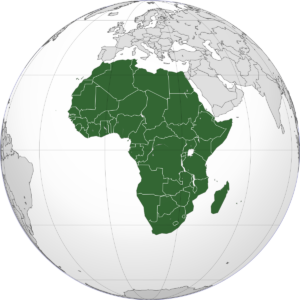 Africa has more than 1.5 billion people, enormous natural resources, growing economies and one of the world’s youngest populations, yet it still has no permanent representation on the UN Security Council.
Nigeria’s call for greater African representation is therefore a message of wider continental importance.
My position is straightforward: Nigeria is not perfect, and these reforms have not been painless. Nigerians should continue to hold government accountable — not only the President, but also State Governors, Local Government Chairmen and other elected representatives responsible for resources and public services.
At the same time, responsible national debate should recognise measurable progress where the evidence supports it.
When reserves strengthen, acknowledge it. When financial obligations are repaid, recognise it. When the foreign-exchange and banking systems change, examine whether they are working. And where poverty, food prices, insecurity, unemployment, electricity and infrastructure remain serious problems, continue demanding improvement.
Both sides of that conversation matter.
The ultimate test will not simply be reserves, GDP growth or international recognition. It will be whether reforms produce jobs, investment, stronger businesses, reliable infrastructure, greater opportunities for young people and improved living standards for Nigerian families.
Economic stability must become prosperity. Reform must become opportunity. And hope must increasingly become something Nigerians can see and experience in their everyday lives.
That, for me, is the road ahead.
“Nigeria’s progress should ultimately be measured by evidence, stronger institutions, investment, opportunity and improvements in the lives of its people”.
By: Stevie Nash Ozono
Diaspora Director – Yes4APC
—————————————————————————————————————————————
Your help to our media platform will support the delivery of the independent journalism and broadcast the world needs. Support us by making any contribution. Your donation and support allows us to be completely focus, deeply investigative and independent. It also affords us the opportunity to produce more programmes online which is a platform universally utilised.
Thank you.
Please click link to make – DONATION