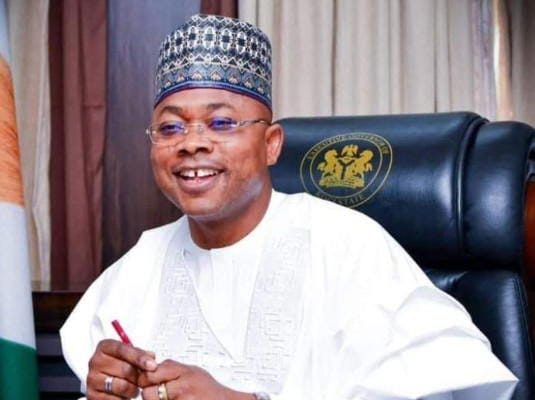



Nigeria’s development ecosystem increasingly benefits from returnee professionals, citizens who acquire skills and institutional exposure abroad and reintegrate those experiences into local governance and community systems. One that does represents this category of returnee Nigerians, whose engagement spans public service, technocratic support, and structured civic intervention is Engr. Eric Nnamdi Anyamene.
 Trained as an information technology engineer, Engr. Anyamene’s professional formation includes experience within and outside Nigeria. His exposure to diaspora systems – particularly in accountability, planning, and results-driven execution, has informed his approach to governance-facing roles and community development since his return. Rather than seeking public visibility, his work has largely focused on process, coordination, and institutional support.
An alumnus of the University of Port Harcourt with additional professional exposure locally and internationally, Engr. Anyamene currently serves as a political executive and technical aide to one of the top executive office holders in Nigeria. His role is primarily advisory and coordination-based, supporting policy-related processes and intergovernmental engagement. Given the nature of such responsibilities, much of his professional activity is anchored in Abuja, underscoring the Federal Capital Territory’s role as Nigeria’s administrative and policy nerve centre.
 Beyond formal public service, Engr. Anyamene is the founder and president of the Eric Nnamdi Anyamene Foundation (ENAF), a non-profit organisation focused on education support, economic empowerment, humanitarian assistance, and civic engagement. The foundation’s operations reflect a structured, planning-oriented approach influenced by diaspora-informed development thinking, with emphasis on sustainability and community ownership.
 ENAF’s interventions include sponsorship of tertiary education for academically promising students from low-income backgrounds, financial empowerment for individuals with vocational skills, and periodic food assistance for economically vulnerable populations. Implementation is typically undertaken in collaboration with town unions and community leadership, a model that enhances accountability and ensures interventions respond to local realities.
During the 2025 Christmas period, the foundation carried out a food distribution exercise across towns in Idemili North and South Local Government Areas of Anambra State. Between December 17 and December 22, trucks distributed bags of rice to underprivileged residents in communities across the South and North divides. Community representatives indicated that beneficiaries were prioritised based on vulnerability indicators such as age, disability, widowhood, and economic distress.
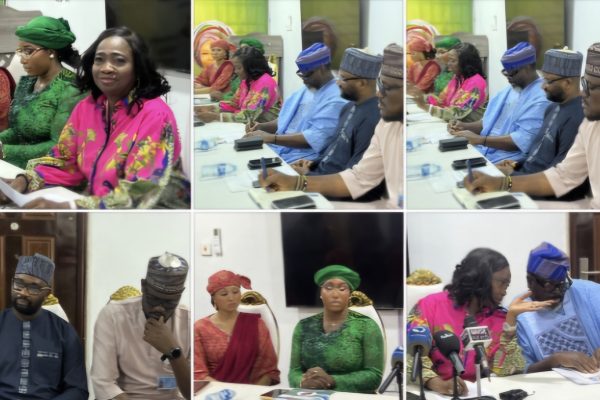
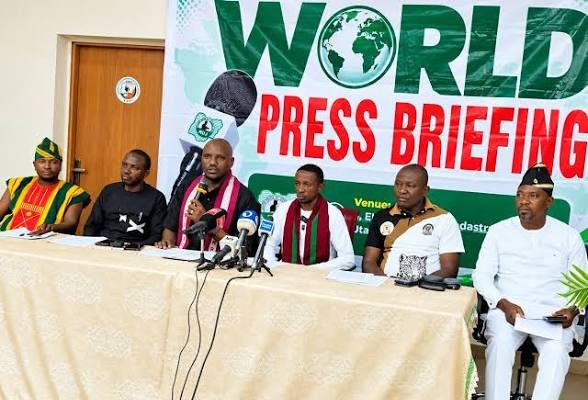
 In early 2026, ENAF convened its first physical meeting of the year, using the forum to review the foundation’s 2025 activities and outline priorities for the year ahead. The meeting provided an opportunity for members to assess achievements, identify challenges, and draw lessons to improve programme delivery. Discussions focused on strengthening implementation frameworks and maintaining responsiveness to community needs.
A notable outcome of the meeting was ENAF’s renewed emphasis on civic responsibility. Members used the platform to mobilise eligible citizens across Idemili to participate actively in the ongoing nationwide voter registration exercise. The call extended to first-time voters as well as those requiring replacement of lost or damaged Permanent Voter Cards, underscoring the foundation’s view that civic participation is integral to sustainable development.
 The meeting was presided over by the ENAF Coordinator, Hon. Mrs. Hope Nche Ejindu-Egwu, whose leadership guided deliberations on political education, community mobilisation, and collective action. While the foundation maintains a non-partisan posture, its leadership emphasised that informed participation in democratic processes remains essential for accountable governance.
The meeting, like other ENAF activities, was fully sponsored by Engr. Anyamene. Observers note that this pattern of support reflects a broader philosophy: leveraging personal capacity to strengthen community institutions rather than personalise influence.
 Engr. Anyamene’s work illustrates the wider ecosystem value of returnee Nigerians when diaspora experience is reintegrated thoughtfully. His engagement demonstrates how exposure to structured systems can translate into disciplined planning, civic consciousness, and institutional strengthening within local contexts.
In an era marked by economic strain, democratic anxiety, and heightened expectations of leadership, such understated but deliberate models of engagement offer a counterpoint to spectacle-driven politics. They highlight how professional service, civic mobilisation, and community development can coexist; quietly but effectively – within Nigeria’s evolving governance landscape.
—————————————————————————————————————————————
Your help to our media platform will support the delivery of the independent journalism and broadcast the world needs. Support us by making any contribution. Your donation and support allows us to be completely focus, deeply investigative and independent. It also affords us the opportunity to produce more programmes online which is a platform universally utilised.
Thank you.
Please click link to make – DONATION