

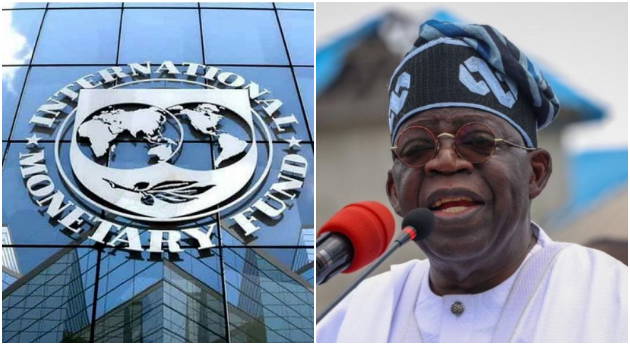
Nigerians may face increased economic hardship in the coming months as rising living costs and mounting fiscal pressures offset gains from higher global oil prices, the International Monetary Fund has warned.
Speaking during the Spring Meetings of the World Bank and IMF in Washington, D.C., the Fund said escalating transportation and food costs driven partly by global geopolitical tensions are already squeezing household incomes across Nigeria and the wider Sub-Saharan African region.
Director of the IMF’s African Department, Abebe Selassie, noted that disruptions linked to the Middle East crisis are increasing the cost of essential inputs such as fuel and fertiliser, with a knock-on effect on food prices and general inflation.
“The pressure is already being felt strongly, particularly through higher transport and food costs, making life more difficult for many households,” he said.
Data from the oil market shows Nigeria’s crude grades, including Brass River and Qua Iboe, trading above $113 per barrelwell above the $60 benchmark in the 2026 budget. The surge, driven by uncertainty surrounding global supply chains, presents a potential revenue boost for the country.
However, the IMF cautioned that the benefits of higher oil prices may be limited if structural challenges persist, particularly rising debt and weak fiscal buffers.
In its latest Fiscal Monitor report, the Fund projected Nigeria’s debt-to-GDP ratio will climb to 33.1 per cent by 2027, up from 32.3 per cent in 2026, despite a slight downward revision from earlier estimates. The country’s total public debt stood at N159.27 trillion as of the fourth quarter of 2025, according to official data.
IMF Director of Fiscal Affairs, Rodrigo Valdés, urged authorities to rebuild fiscal buffers and avoid delaying critical reforms, warning that global uncertainties could further strain public finances.
He cautioned against broad-based subsidies, describing them as costly and difficult to sustain, and instead advised governments to prioritise efficient spending and strengthen domestic revenue mobilisation.
The Fund also emphasised the need for policy consistency, urging Nigeria to maintain ongoing economic reforms while protecting critical sectors such as health and social services.
Economic analysts say the country faces a delicate balancing act. While high oil prices could boost government revenues in the short term, concerns remain about debt sustainability and whether additional income will translate into tangible economic relief.
Market watchers also warn that rising crude prices could push up the cost of refined petroleum products domestically, as refiners pass on higher input costs to consumers potentially worsening inflation and deepening poverty levels.
With global uncertainties persisting, the IMF stressed that disciplined fiscal management, improved revenue collection, and sustained structural reforms will be critical to navigating the economic challenges ahead.
—————————————————————————————————————————————
Your help to our media platform will support the delivery of the independent journalism and broadcast the world needs. Support us by making any contribution. Your donation and support allows us to be completely focus, deeply investigative and independent. It also affords us the opportunity to produce more programmes online which is a platform universally utilised.
Thank you.
Please click link to make – DONATION