

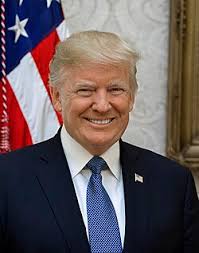
 When U.S. President Donald Trump recently took the stage in Kuala Lumpur to announce what he called a historic peace deal between Thailand and Cambodia, the applause was loud. The cameras clicked, and the global news ticker lit up. Yet, beyond the photo-op and the signature flourish, the so-called Kuala Lumpur Peace Accord tells us something far deeper, if not more troubling, about the changing nature of diplomacy in our century.
What we are witnessing is the re-emergence of transactional diplomacy. This is diplomacy that is less about enduring principles or shared norms, and more about immediate bargains. It is the art of linking peace to trade, security to investment, and moral persuasion to market access. In the case of President Trump, the United States used trade leverage to compel two Southeast Asian neighbours to halt border hostilities. On paper, this was a diplomatic victory. In substance, it is a case study in power politics cloaked as peacemaking.
The Illusion of Peace Through Trade
The Thailand–Cambodia conflict has festered for decades around disputed borderlands and ancient temples. Trump’s intervention did yield a ceasefire. He intervened by threatening to suspend U.S. trade negotiations unless the fighting stopped. But that peace is tenuous. The underlying territorial dispute remains unresolved. The Accord itself, signed under ASEAN auspices, simply restated earlier ceasefire terms with added U.S. visibility and rasmatas.
This is not to discount the symbolic power of such gestures. Far from it! The mere act of two adversaries signing a declaration in front of global media carries psychological weight. Yet, symbolism should not be mistaken for structure. Sustainable peace cannot be outsourced to the transactional logic of deal-making. It requires the slow, patient work of institution building, reconciliation, and local ownership. These are curiously three things that transactional diplomacy, by its very nature, often sideline.
America’s New Diplomatic Currency
In his first term, Trump described himself as a dealmaker, not a diplomat. Now in his second, he has simply globalised that ethos. What we see today is a fusion of economic statecraft and geopolitical theatre. This is a model in which the promise of U.S. markets is dangled as an incentive for compliance. The threat of tariffs is also shoved forward as punishment for resistance.
There is undeniable efficiency in this approach. Economic carrots and sticks can achieve results that traditional diplomacy might take years to deliver. Yet, it is diplomacy without empathy. It is fast, transactional, and inherently unstable. When trade leverage becomes the main instrument of foreign policy, it risks turning peace into a commodity that lasts only as long as the profit margins allow.
A Mirror Moment for Africa
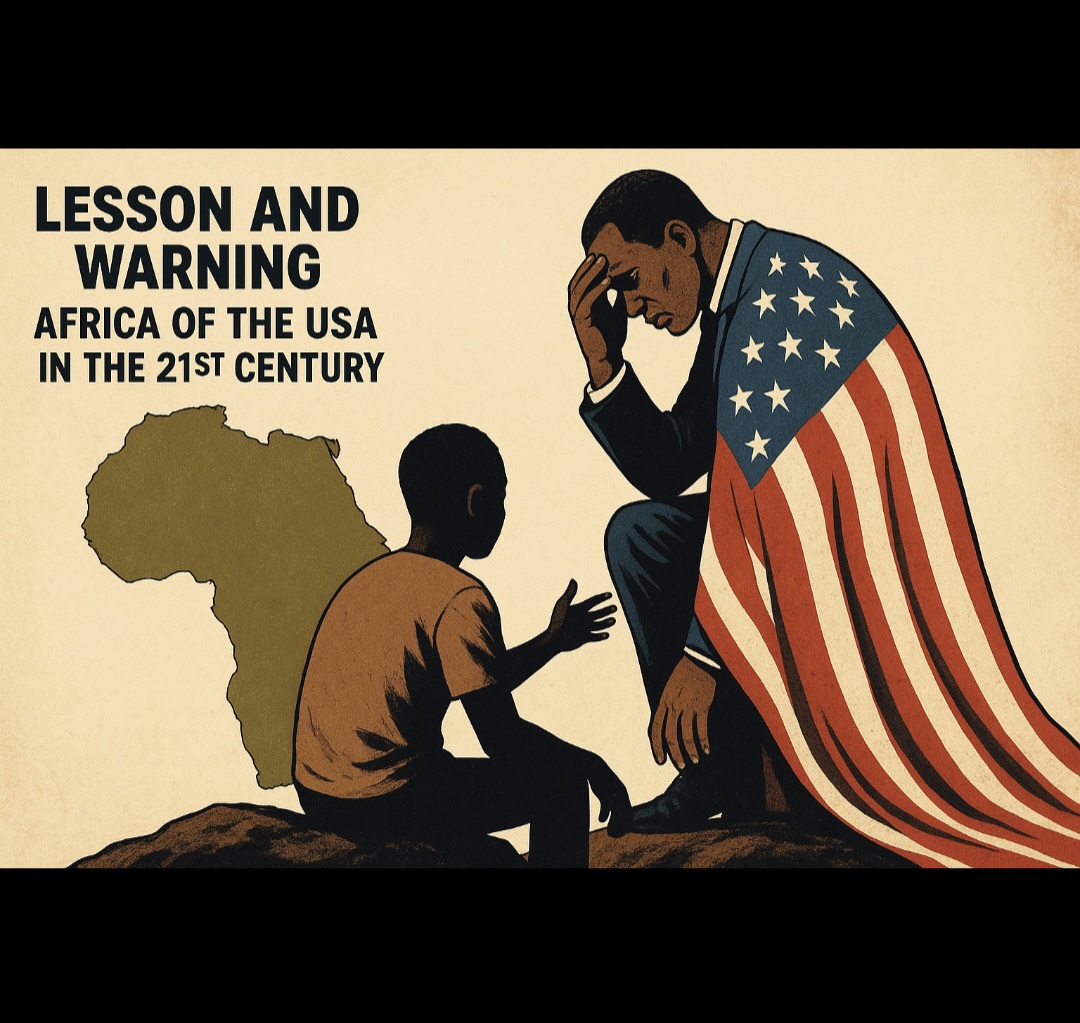
For Africa, there are both lessons and warnings in this unfolding story.
The lesson is pragmatic: economic diplomacy can work when properly harnessed. Trade incentives, diaspora remittances, investment guarantees, and public-private partnerships can accelerate peace processes and development outcomes. In that sense, transactional elements; when and if transparent and mutually beneficial; are not inherently bad.
The warning, however, is existential. If we allow external powers to dictate the terms of our peace and prosperity through economic coercion, we risk replacing dependency aid with dependency trade. The form changes, but the substance remains: our agency compromised.
In Economic Diplomacy of the Diaspora, my forthcoming book, I argue that Africa’s Diaspora communities possess the soft power, capital, and credibility to rebalance this equation. By mobilising their transnational networks, skills, and remittance power, African states can negotiate from a position of strength, not supplication. The Diaspora, in this sense, becomes Africa’s most authentic vehicle for non-transactional diplomacy. A diplomacy rooted in shared values, trust, and continuity.
From Deal Diplomacy to Human Diplomacy
Africa’s leaders must resist the seduction of deal diplomacy. It is a brand of diplomacy or ideology that every problem can be solved by signing a Memorandum of Understanding (MoU) or announcing a megaproject. Such theatrics often mask deeper governance failures and institutional weaknesses. True diplomacy is not measured by the number of deals announced but by the durability of the relationships they produce.
If the U.S. uses transactional diplomacy to advance its national interests, then Africa must deploy transformational diplomacy to advance its collective aspirations. Transformational diplomacy is deliberate, long-term, and people-centred. It invests in education, culture, and technology as instruments of influence. It is not just in contracts and concessions.
Reclaiming the Moral High Ground
The irony of the Thailand–Cambodia peace deal is that it exposes how diplomacy has become theatre in the global marketplace. Leaders rush to claim victories measured in headlines rather than in healing. For Africa, this is a cautionary tale: we must not imitate the form while missing the substance. Peace processes for Africa, trade partnerships, and regional integrations must be built on authenticity, not transactional expediency. And this from ECOWAS to the African Continental Free Trade Area, and others.
History shows that diplomacy driven solely by profit breeds instability. Diplomacy driven by principle breeds progress. The United States, China, and the European Union will each continue to pursue their interests. And that is their right. Africa’s task is to define its own.
In the final analysis, it is a choice to go beyond the optics. And that must be Africa’s choice. The 21st century demands a new African realism. A realism that blends economic pragmatism with moral clarity. Africa cannot afford to be mere spectators in the new global trading theatre. The Africa that we must hand to our grandchildren through our children must become scriptwriters of its own story.
If Trump’s version of peace through trade teaches us anything, it is that nations that fail to define their interests will be defined by others. Africa must engage the world not as a commodity, but as a community — and leverage its Diaspora networks as the connective tissue of a diplomacy that is both ethical and effective.
As I explore in Economic Diplomacy of the Diaspora, peace and prosperity are not products of negotiation alone; they are outcomes of vision, trust, and shared humanity. The task before Africa is not just to reject transactional diplomacy. Africa must transcend transactional diplomacy.
—————————————————————————————————————————————
Your help to our media platform will support the delivery of the independent journalism and broadcast the world needs. Support us by making any contribution. Your donation and support allows us to be completely focus, deeply investigative and independent. It also affords us the opportunity to produce more programmes online which is a platform universally utilised.
Thank you.
Please click link to make – DONATION