

Insurance Essential to Solving Nigeria’s Housing Challenge – Heirs General Insurance MD
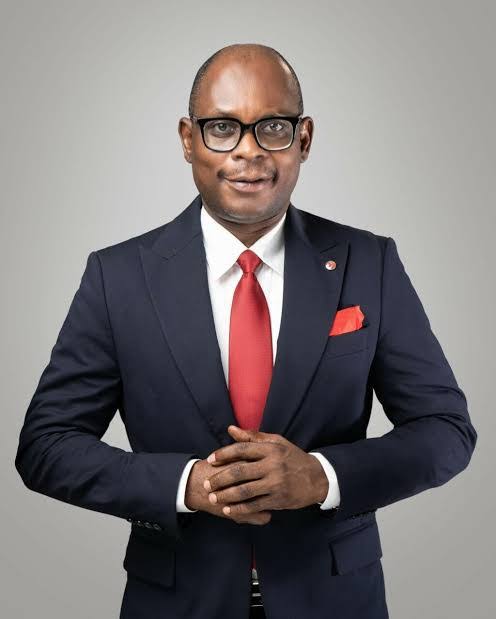
The Managing Director and Chief Executive Officer of Heirs General Insurance, Wole Fayemi, has said insurance is a critical component of addressing Nigeria’s housing challenge, stressing that efforts to bridge the country’s housing deficit will only deliver lasting impact if homes and investments are adequately protected.
Fayemi made the assertion at the 12th Africa International Housing Show 2026 during a panel session on advancing affordable housing and strengthening collaboration across the housing value chain.
He urged policymakers, developers, financiers and homeowners to make risk protection a central pillar of the nation’s housing agenda, arguing that sustainable housing development requires more than simply increasing the supply of homes.
“A housing policy that focuses solely on construction is incomplete. The true measure of success is not only the number of homes we build, but how effectively we protect the people, investments and communities those homes represent,” he said.
Fayemi noted that while Nigeria continues to intensify efforts to reduce its housing deficit, insufficient attention is being paid to safeguarding completed housing assets. He warned that inadequate insurance coverage leaves homeowners, businesses and the wider economy exposed to significant financial losses.
He pointed to the recurring incidents of building collapse across the country, which have resulted in fatalities, destroyed investments and eroded public confidence in the built environment, saying insurance should no longer be viewed as merely a regulatory obligation but as a vital element of responsible housing development.
Referring to the recently introduced NIIRA Act, 2025, Fayemi said both developers and property occupiers have a responsibility to insure buildings, not only to comply with legal requirements but also to strengthen the resilience of Nigeria’s housing sector.
“Every building represents years of investment, aspiration and sacrifice. When those assets are left uninsured, the consequences extend far beyond individual property owners. Families are displaced, businesses are disrupted, financial institutions are exposed, and national development suffers,” he said.
He also advocated stronger collaboration among government agencies, regulators, developers, insurers, financial institutions and homeowners, noting that integrating insurance into housing finance and development from the planning stage would improve investor confidence, support sustainable developments and foster more resilient communities.
Fayemi further called for greater public awareness of insurance as a tool for wealth preservation and economic stability, lamenting that many Nigerians still regard it as an afterthought rather than an essential safeguard.
“Insurance should not begin when disaster strikes; it should begin when plans are being drawn. If we are serious about creating sustainable cities and protecting the wealth of future generations, then insurance must become part of every housing conversation,” he said.
He maintained that Nigeria’s housing conversation should move beyond the number of houses built to include the long-term protection and resilience of the assets created, adding that the country’s ability to tackle its housing deficit will depend not only on building more homes but also on ensuring they are adequately protected through insurance.
—————————————————————————————————————————————
Your help to our media platform will support the delivery of the independent journalism and broadcast the world needs. Support us by making any contribution. Your donation and support allows us to be completely focus, deeply investigative and independent. It also affords us the opportunity to produce more programmes online which is a platform universally utilised.
Thank you.
Please click link to make – DONATION