

Minister highlights student loans, TVET expansion, skills development; commends Seyi Tinubu, City Boy Movement for grassroots mobilisation
The Minister of Education, Dr Maruf Tunji Alausa, has expressed confidence that President Bola Ahmed Tinubu will secure re-election in 2027 on the strength of his administration’s performance, particularly in education, technical and vocational training, and human capital development.
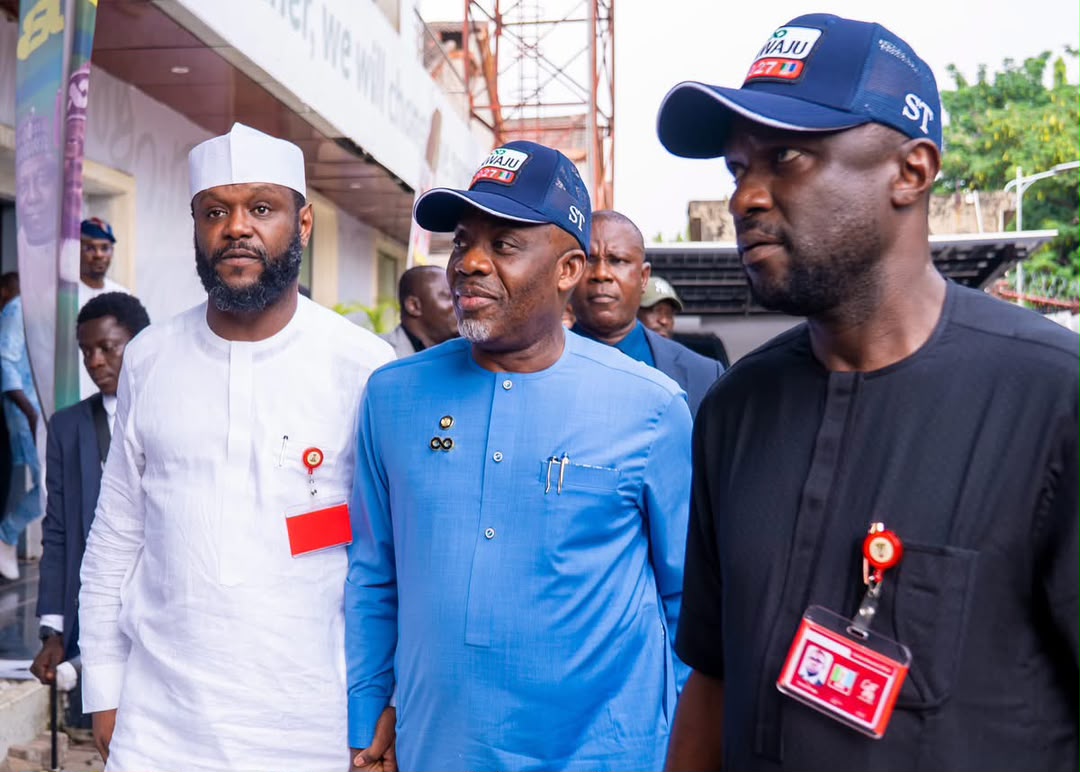
Alausa made the declaration in Abuja during a visit to the office of the City Boy Movement, where he commended Seyi Tinubu and members of the group for their grassroots mobilisation and engagement with Nigerians across different age groups, ethnic backgrounds and social classes.
The minister maintained that the policies and programmes being implemented under President Tinubu’s Renewed Hope Agenda would remain central to public assessment of the administration ahead of the 2027 presidential election.
He described the City Boy Movement’s activities as an expression of volunteerism and collective responsibility, urging members to sustain their engagement with communities and effectively communicate the Federal Government’s policies and programmes.
According to him, the administration’s reform agenda is driven by a long-term vision aimed at creating better opportunities for younger generations, even when achieving such objectives requires difficult economic decisions.
“President Tinubu makes promises he intends to fulfil. His decisions are not just about today; they are about the future of our children and grandchildren,” Alausa said.
Highlighting the administration’s achievements in the education sector, the minister identified the Nigerian Education Loan Fund (NELFUND) as a major intervention aimed at removing financial barriers to higher education.
He explained that the student loan scheme was designed to ensure that young Nigerians are not denied access to tertiary education simply because their families cannot afford the cost.
Alausa said the initiative reflects the administration’s commitment to expanding educational opportunities and ensuring that financial circumstances do not determine students’ prospects for academic advancement.
He also highlighted the expansion of Technical and Vocational Education and Training (TVET), disclosing that more than 250,000 Nigerians were benefiting from skills development programmes across approximately 1,200 training centres nationwide.
The programmes provide practical training in areas such as solar photovoltaic installation, fashion and garment production, carpentry, construction-related trades, animal husbandry and other technical fields.
The minister said the initiative was part of efforts to bridge the gap between education and employment by equipping young Nigerians with practical skills required for jobs, entrepreneurship and other productive economic activities.
He stressed that education must go beyond the acquisition of certificates to include relevant competencies that enable graduates and other learners to meet the changing demands of the labour market.
Alausa further identified investment in educational infrastructure and student accommodation as critical to improving the quality of tertiary education, noting that inadequate housing remains a challenge in many institutions.
He said addressing infrastructure deficits would improve students’ learning and living conditions while supporting the government’s broader objective of expanding access to quality education.
The minister also highlighted efforts to expand nursing education and professional training, stressing that developing a skilled workforce was essential to strengthening critical sectors and improving Nigeria’s human capital.
On the broader economy, Alausa said the administration’s reforms were intended to address longstanding structural challenges and create greater fiscal space for investment in essential public services, including education, healthcare and infrastructure.
He argued that the long-term benefits of economic reforms should be considered alongside the immediate difficulties associated with their implementation.
The minister also pointed to opportunities in business-process outsourcing and the expanding service economy, expressing optimism that a better-trained workforce could attract international businesses and generate employment for Nigerian youths.
He maintained that sustained investment in education, vocational training and professional development would be essential to translating the administration’s reform agenda into tangible opportunities for citizens.
Alausa urged members of the City Boy Movement to intensify constructive grassroots engagement and encourage informed discussions about government policies, warning against misinformation and divisive rhetoric.
He called on Nigerians to approach conversations about the country’s future with a sense of responsibility and prioritise the national interest.
The minister reiterated his confidence in President Tinubu’s leadership, arguing that the administration’s interventions in education, skills development and human capital investment should feature prominently in public discussions ahead of the 2027 presidential election.
He also commended Seyi Tinubu and members of the City Boy Movement for their mobilisation efforts, describing active citizenship, patriotism and collective responsibility as important to advancing the Renewed Hope Agenda.
—————————————————————————————————————————————
Your help to our media platform will support the delivery of the independent journalism and broadcast the world needs. Support us by making any contribution. Your donation and support allows us to be completely focus, deeply investigative and independent. It also affords us the opportunity to produce more programmes online which is a platform universally utilised.
Thank you.
Please click link to make – DONATION