

By ifeoma Onyekachi
The Federal Government of Nigeria has openly criticised the installation and activities of “Eze Ndigbo” leaders in foreign countries, warning that the practice is generating diplomatic friction and misrepresenting Nigeria’s traditional governance system abroad.
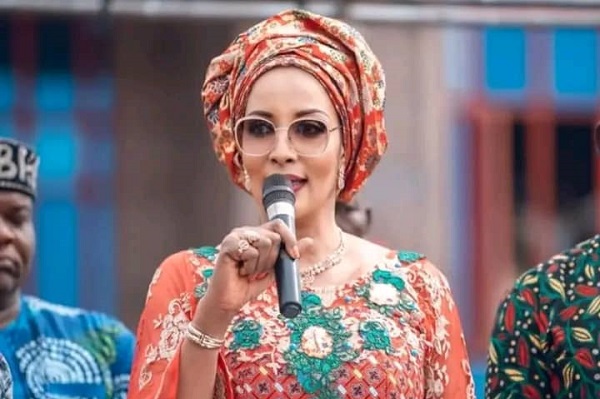
Minister of State for Foreign Affairs, Bianca Odumegwu-Ojukwu, made the government’s position known following deliberations at the Imeobi meeting of Ohanaeze Ndigbo Worldwide in Enugu.

In a statement issued through her media aide, Dr Magnus Eze, the minister described the trend as “deeply embarrassing,” noting that the emergence of self-styled Igbo traditional rulers outside Nigeria has created confusion among host nations and strained relations with local institutions.
She explained that while diaspora communities are encouraged to preserve and promote their cultural heritage, the conferment of traditional titles such as “Eze Ndigbo” in foreign jurisdictions has triggered disputes both within Igbo groups and with host communities.
The development comes as Ohanaeze Ndigbo, in conjunction with the South East Council of Traditional Rulers, formally renounced and outlawed the recognition of such titles outside Igboland, signalling a unified stance against the practice.
The minister pointed to recent unrest in South Africa as a clear example of the fallout. Protests erupted in Eastern Cape after the controversial coronation of Solomon Eziko as “Eze Ndigbo na East London,” an action widely interpreted by local stakeholders as a challenge to established traditional authority structures.
The situation escalated into violence, with demonstrators targeting foreign-owned businesses and vehicles. Security forces reportedly intervened using crowd-control measures, while traditional leaders and government authorities in South Africa condemned the coronation as inconsistent with local laws and customs.
Nigeria’s diplomatic mission in Pretoria subsequently distanced itself from the event, clarifying that it was a cultural gathering without official recognition as a traditional institution. The embassy also issued an apology to South African authorities and urged Nigerians resident in the country to exercise restraint.
Odumegwu-Ojukwu further recalled a similar diplomatic strain in Ghana in 2025, where tensions linked to the same issue prompted public protests and calls for Nigerians to leave. She said Nigerian officials had to intervene at the time to defuse the situation.
Against this backdrop, the minister called on Ohanaeze Ndigbo to enforce strict sanctions against individuals or groups that disregard the directive banning the conferment of traditional titles outside Igboland.
President-General of Ohanaeze, Azuta Mbata, reaffirmed the organisation’s position, stressing that any such titles conferred abroad would not be recognised by Igbo authorities. He added that disciplinary measures would be determined in consultation with traditional rulers and enforced at the community level.
The Federal Ministry of Foreign Affairs said it would circulate the resolution to Nigerian missions worldwide to ensure clarity and prevent further diplomatic misunderstandings.
—————————————————————————————————————————————
Your help to our media platform will support the delivery of the independent journalism and broadcast the world needs. Support us by making any contribution. Your donation and support allows us to be completely focus, deeply investigative and independent. It also affords us the opportunity to produce more programmes online which is a platform universally utilised.
Thank you.
Please click link to make – DONATION