

Dangote Refinery returns to naira petrol sales, raises price by N140 per litre
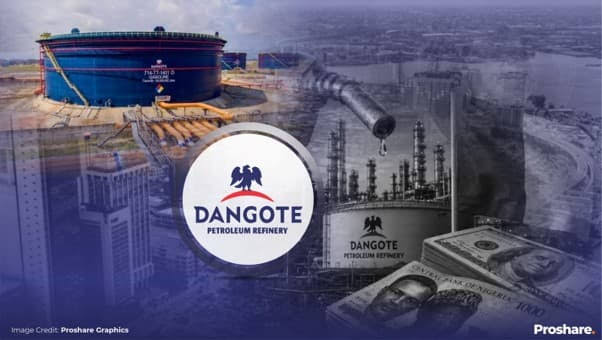
The Dangote Petroleum Refinery has resumed the sale of Premium Motor Spirit (PMS), popularly known as petrol, in naira after a brief shift to dollar-denominated transactions, but the move comes with a fresh increase in its ex-depot price.
The 650,000-barrel-per-day refinery raised its gantry price from N1,075 per litre to N1,215 per litre, representing a N140 increase, or 13.02 per cent.
The latest adjustment was communicated to petroleum marketers in a notice issued by the refinery’s commercial department on Wednesday and confirmed by industry platform Petroleumprice.ng.
The notice, titled “PMS Price Change Communication,” stated that the revised prices took immediate effect from July 22, 2026.
It read: “Please be advised that all unloaded gantry volumes will be subject to repricing at the new price, which is effective 22nd July 2026.
“Kindly proceed with placing your order. Should you require any further clarification, please do not hesitate to contact us.”
The refinery also adjusted its coastal loading price from N1,441,575 per metric tonne to N1,602,495 per metric tonne.
End of dollar pricing
The development marks the end of a one-week dollar-based pricing arrangement introduced by the refinery, which had disrupted supply chains, unsettled marketers and pushed up depot prices across the country.
The refinery suspended gantry and coastal loading operations on July 15 before introducing dollar pricing for refined petroleum products.
Under the temporary arrangement, petrol was priced at $0.779 per litre, while Automotive Gas Oil (diesel) and Jet A1 aviation fuel were sold at $1.087 and $0.942 per litre respectively.
The move sparked concerns among petroleum marketers, who argued that accessing foreign exchange for daily fuel purchases would increase costs and worsen pressure on the naira.
Industry operators estimated that with Nigeria consuming about 50 million litres of petrol daily, marketers would require roughly $40m every day to sustain purchases under the dollar payment system.
Marketers react
The Chief Executive Officer of Petroleumprice.ng, Jeremiah Olatide, confirmed that the refinery had returned to naira transactions.
“Yes, the refinery has returned to pricing its product in naira,” he said.
During the period of dollar-based pricing, independent marketers reportedly suspended purchases from the refinery, forcing some operators to rely on private depots where petrol prices climbed to about N1,275 per litre.
The disruption contributed to tighter supply conditions and increased retail pump prices in some locations.
Refinery explains dollar move
The Dangote Refinery had explained that the temporary switch to dollar pricing was caused by challenges surrounding crude supply under the Federal Government’s naira-for-crude initiative.
The refinery said it had been forced to source additional crude from the international market in dollars after domestic crude allocations became insufficient.
A senior regulatory official said the refinery’s decision did not violate the Petroleum Industry Act, arguing that the company was attempting to recover costs after absorbing significant expenses.
“The naira-for-crude deal is not to Dangote’s advantage right now because the company is sourcing crude in dollars. He has absorbed a lot. But maybe he has got to a breaking point,” the official said.
Government intervention
Following complaints from marketers and concerns over the impact of dollar pricing on fuel supply and foreign exchange demand, the Federal Government intervened in discussions with the Dangote Group.
The refinery’s return to naira-based transactions is expected to ease supply challenges and restore normal product evacuation.
However, industry operators warned that the higher ex-depot price could still translate into increased pump prices if market conditions do not improve.
On Wednesday, petrol prices reportedly rose to about N1,300 per litre in Lagos and other parts of the country, amid rising global oil prices and renewed tensions in the Middle East.
While the return to naira sales has reduced uncertainty in the downstream market, consumers may continue to feel the impact of the refinery’s latest price adjustment.
—————————————————————————————————————————————
Your help to our media platform will support the delivery of the independent journalism and broadcast the world needs. Support us by making any contribution. Your donation and support allows us to be completely focus, deeply investigative and independent. It also affords us the opportunity to produce more programmes online which is a platform universally utilised.
Thank you.
Please click link to make – DONATION