

59 years after the tragedy, Asaba confronts Nigeria and the world with an enduring question: can a nation achieve reconciliation without truth, acknowledgement and accountability?
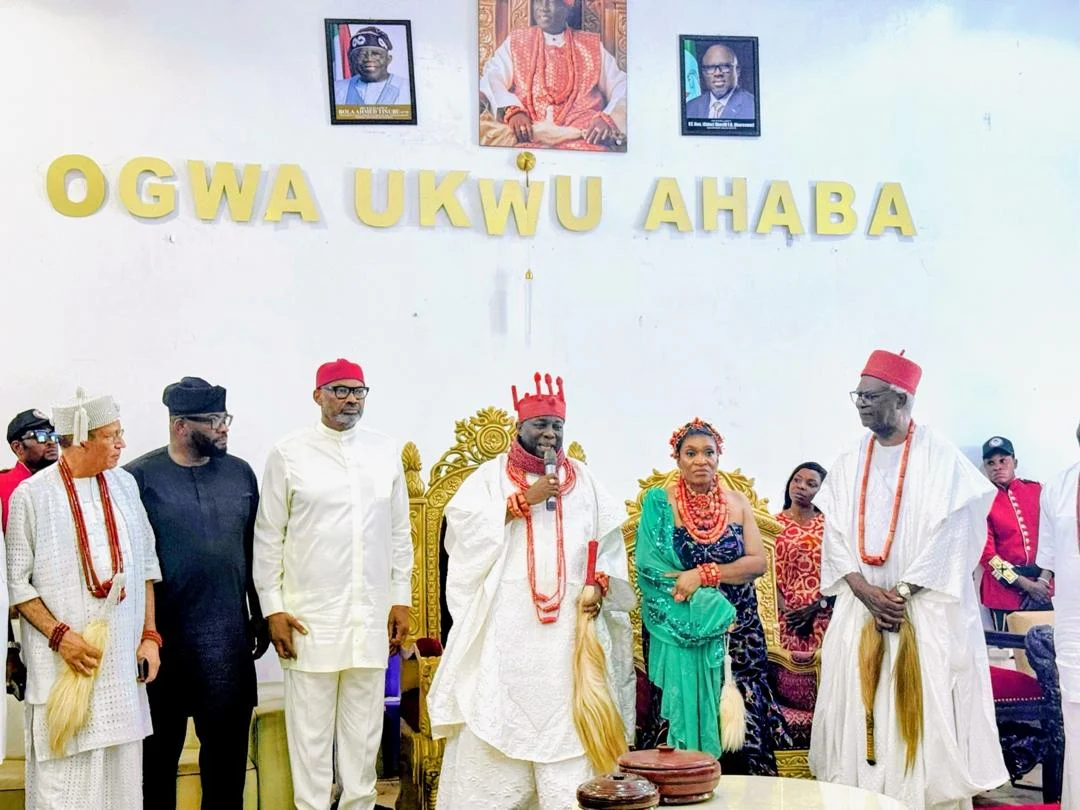
The 59th anniversary of the Asaba Massacre has brought a painful chapter of Nigeria’s Civil War back into national and international focus, with former President Olusegun Obasanjo calling for forgiveness while the Asagba of Asaba insists that genuine healing requires a public apology from a serving Nigerian President.
The memorial, held on October 7, 2026, in Asaba, Delta State, also featured a significant gesture of reconciliation: the Asagba publicly forgave the family of the late Colonel Ibrahim Taiwo, whose son, retired Major-General Ahmed Ibrahim Taiwo, apologised on behalf of the family.
Obasanjo: “Forgiveness, forgiveness, and forgiveness again”
 Participating virtually as chairman of the occasion, Obasanjo described the massacre as one of the most terrible episodes of the Nigerian Civil War.
“This marks the remembrance of one very sad aspect of the Nigerian Civil War. Of course, the war in its entirety was an unfortunate event which should never happen.
“But the Asaba Massacre, as it is called, was one of the most painful, one of the most terrible aspects of that war.”
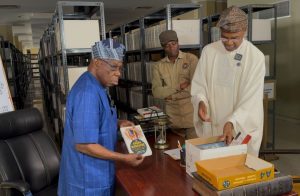
Obasanjo and Chuck
He disclosed that receiving documents about the killings from Chief Chuck Nduka-Eze, convener of the Asaba Massacre Memorial, had moved him to tears. He was saddened, he said, that such events occurred “in my own country, in my lifetime.”
His appeal to the community was direct:
“To all of you assembled: let us keep one thing in mind; forgiveness, forgiveness, and forgiveness again.”
Asagba: “There will be no closure, there will be no healing”
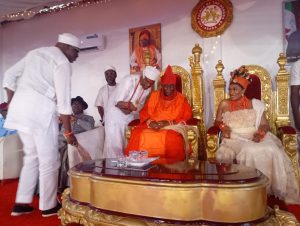 The Asagba of Asaba, HRM Prof. Epiphany Azinge, SAN, acknowledged the importance of forgiveness but maintained that it must not erase memory or the demand for accountability.
“We may not forget, but certainly, we have to forgive,” he said.
He then made the community’s position unmistakable:
“There will be no closure, there will be no healing until a sitting President — not an ex-President, but a sitting President — publicly apologises to us.”
He noted that former military Head of State General Yakubu Gowon had apologised after leaving office, but argued that an acknowledgement by a serving President was necessary.
The monarch also challenged Obasanjo’s appeal for “never again”, recalling the Odi killings during Obasanjo’s presidency.
“Coming from him, I was a bit taken aback. How long do we say ‘never again’? But it happened at Odi. Odi came years after Asaba, and he was sitting there as President when that happened.”
Despite this, the Asagba publicly declared:
“On behalf of the Asaba community, and as the prescribed authority — the Asagba of Asaba — I hereby publicly proclaim that we have forgiven the Taiwo family.”
An apology and a commitment to remembrance
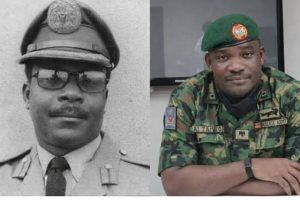 Major-General Ahmed Ibrahim Taiwo (retd.) said he had come “to render our deepest regrets and apologise on behalf of our father and family for any act of omission or commission on his part that led to this heinous massacre.”
“I know it will not right the wrong, but I believe and pray it is a start towards reconciliation,” he added.
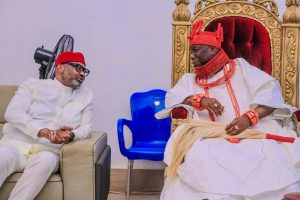 Representing Delta State Governor Sheriff Oborevwori, Secretary to the State Government Dr Kingsley EmuSecretary to the State Government Dr Kingsley EmuSecretary to the State Government Dr Kingsley Emu declared: “Let us speak clearly: the killing of unarmed civilians can never be justified.”
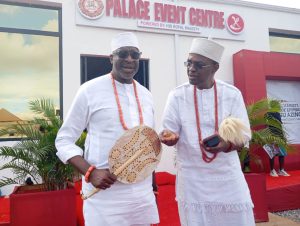 Chief Chuck Nduka-Eze reaffirmed the memorial’s central message: “The message we’ve been sending about the Asaba Massacre is that Nigerian lives matter.” He said preparations were underway for the 60th anniversary in 2027 and for a permanent memorial centre dedicated to remembrance, documentation and education.
The Obi of Onitsha, Igwe Nnaemeka Alfred Ugochukwu Achebe, offered a further reminder of the necessary path forward: “There must be truth. There must be justice. There must be healing. And then, forgiveness can follow.”
A lesson for the world
South Africa’s Truth and Reconciliation Commission and Rwanda’s genocide remembrance initiatives demonstrate the importance of documenting atrocities, acknowledging victims and pursuing accountability alongside reconciliation. Neither offers a perfect solution, but both underline that silence cannot substitute for healing.
Asaba’s message to Nigeria and the world is therefore both a plea and a challenge: forgive, but do not forget; remember, but do not inherit hatred; and ensure that remembrance produces action.
As the community prepares for the 60th anniversary, the question remains whether Nigeria can translate these appeals into formal national acknowledgement and a lasting commitment to protect innocent lives.
Forgiveness may begin reconciliation. Truth, acknowledgement and action must help complete it.
—————————————————————————————————————————————
Your help to our media platform will support the delivery of the independent journalism and broadcast the world needs. Support us by making any contribution. Your donation and support allows us to be completely focus, deeply investigative and independent. It also affords us the opportunity to produce more programmes online which is a platform universally utilised.
Thank you.
Please click link to make – DONATION