

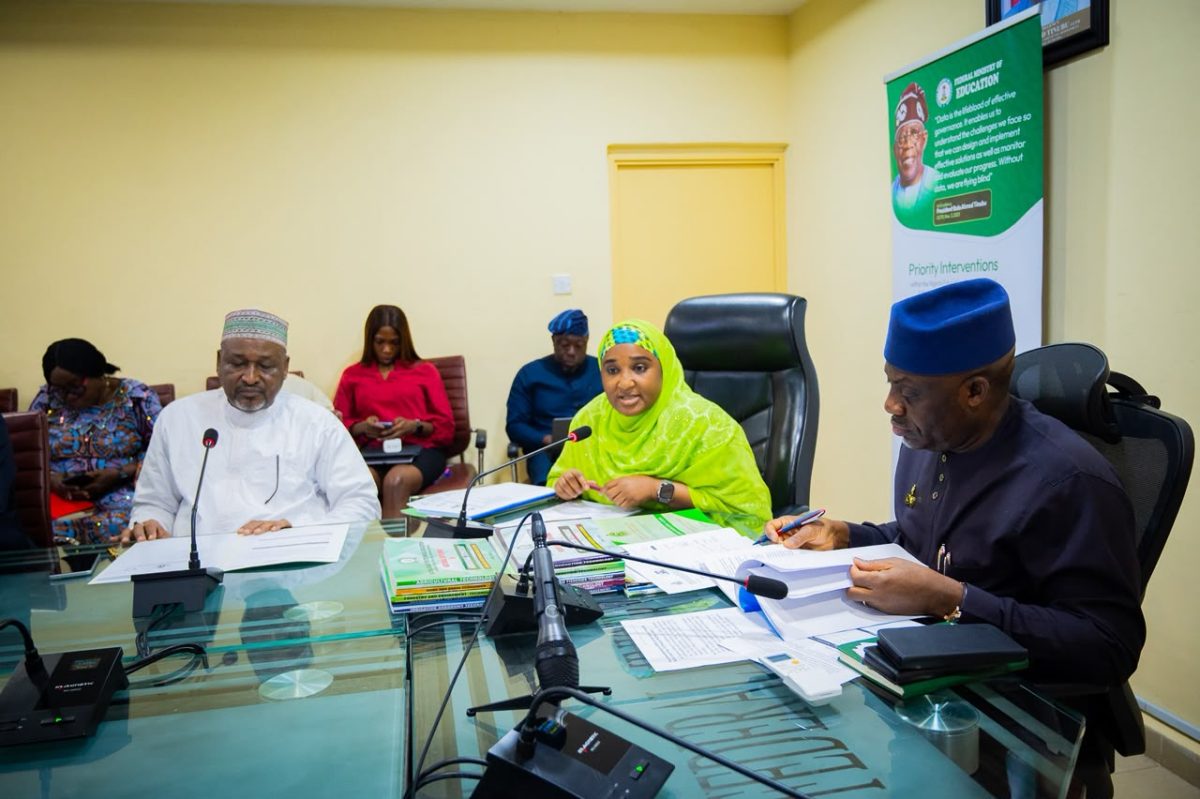
The Minister of Education, Dr. Maruf Tunji Alausa, has commenced a comprehensive restructuring of the National Board for Technical Education (NBTE) to strengthen its capacity to regulate and support polytechnics, monotechnics and other technical institutions across Nigeria.
The reform, being undertaken with the support of KPMG Advisory Services, is aimed at repositioning NBTE as a more effective regulator and strategic driver of the country’s Technical and Vocational Education and Training (TVET) system.
Alausa said the initiative would strengthen the Board’s governance structure, operational capacity and institutional effectiveness, while aligning technical education with Nigeria’s economic and workforce development priorities.
He explained that KPMG had been engaged to conduct a comprehensive institutional assessment and develop a future-ready organisational structure, governance model and operating framework for NBTE.
According to the Minister, the exercise will identify gaps and opportunities in governance, organisational design, operating processes, workforce capability and service delivery.
He stressed that the success of Nigeria’s TVET reforms would depend not only on curriculum and infrastructure but also on the strength of institutions responsible for implementation and oversight.
Alausa said a stronger NBTE would be critical to achieving President Bola Ahmed Tinubu’s Renewed Hope Agenda, particularly the goal of producing a skilled, productive and globally competitive workforce capable of supporting industrialisation, innovation and economic growth.
The Minister also linked the restructuring to ongoing efforts to modernise polytechnic curricula and develop National Occupational Standards (NOS) that are responsive to industry needs and emerging economic opportunities.
He disclosed that, with a ₦1 billion intervention from the Tertiary Education Trust Fund (TETFund), the curriculum modernisation programme had produced 27 new National Occupational Standards and updated four existing ones, bringing the total number of reviewed standards to 31.
The standards are expected to strengthen skills development pathways covering artisan-level training, National Certificates, Ordinary National Diploma (OND) and Higher National Diploma (HND) programmes.
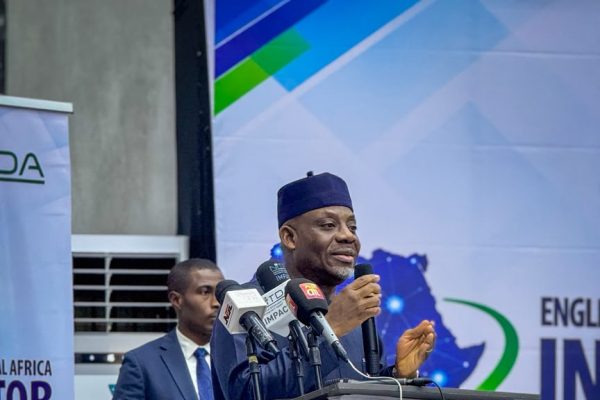
Providing an industry perspective, Oluwole Adelokun, Partner, Strategy and Customer Solutions at KPMG Africa and KPMG in Nigeria, said the assessment identified significant challenges as well as opportunities within Nigeria’s TVET sector.
Adelokun noted that about 93 per cent of Nigeria’s workforce operates in the informal economy, while nearly 12 per cent of young people are not engaged in education, employment or skills training.
He, however, said Nigeria performs strongly in the employability of TVET graduates, ranking second only to Singapore among the countries assessed.
Adelokun further identified outdated curricula as a major challenge, noting that more than 55 per cent of assessed curricula across disciplines, including engineering, science, arts and design, were outdated.
He cited inadequate funding and the existing five-year curriculum review cycle as some of the factors limiting the responsiveness of technical education to changing industry demands.
Alausa said the findings from the KPMG assessment, alongside ongoing curriculum and skills development reforms, would provide a strong foundation for transforming NBTE into a more effective catalyst for technical and vocational education.
He said the restructured Board would be better positioned to strengthen institutional oversight, improve quality assurance and accountability, deepen collaboration with industry and ensure that technical education responds effectively to changing workforce and economic needs.
The Minister reaffirmed the commitment of the education sector to building a TVET system anchored on practical competence, industry relevance, innovation, employability and productivity.
He described the transformation of NBTE as a critical component of Nigeria’s human capital development strategy and expressed optimism that the reform would help produce a more skilled and globally competitive workforce.
—————————————————————————————————————————————
Your help to our media platform will support the delivery of the independent journalism and broadcast the world needs. Support us by making any contribution. Your donation and support allows us to be completely focus, deeply investigative and independent. It also affords us the opportunity to produce more programmes online which is a platform universally utilised.
Thank you.
Please click link to make – DONATION