

Developing countries have intensified calls for a comprehensive overhaul of the global tax system, arguing that existing international tax rules deprive them of billions of dollars needed to fund public services, strengthen their economies and respond to the growing climate crisis.
The renewed push comes ahead of the fifth negotiating session of the United Nations Framework Convention on International Tax Cooperation, scheduled to hold from August 3 to 13 at the UN Headquarters in New York. Governments are expected to negotiate a framework aimed at establishing a more inclusive and equitable international tax system.
Speaking during an online media briefing organised by the Global Alliance for Tax Justice, tax advocates from Africa, Asia, Europe and Latin America said the current international tax architecture overwhelmingly favours wealthy countries and multinational corporations, limiting the ability of developing nations to mobilise domestic revenue.
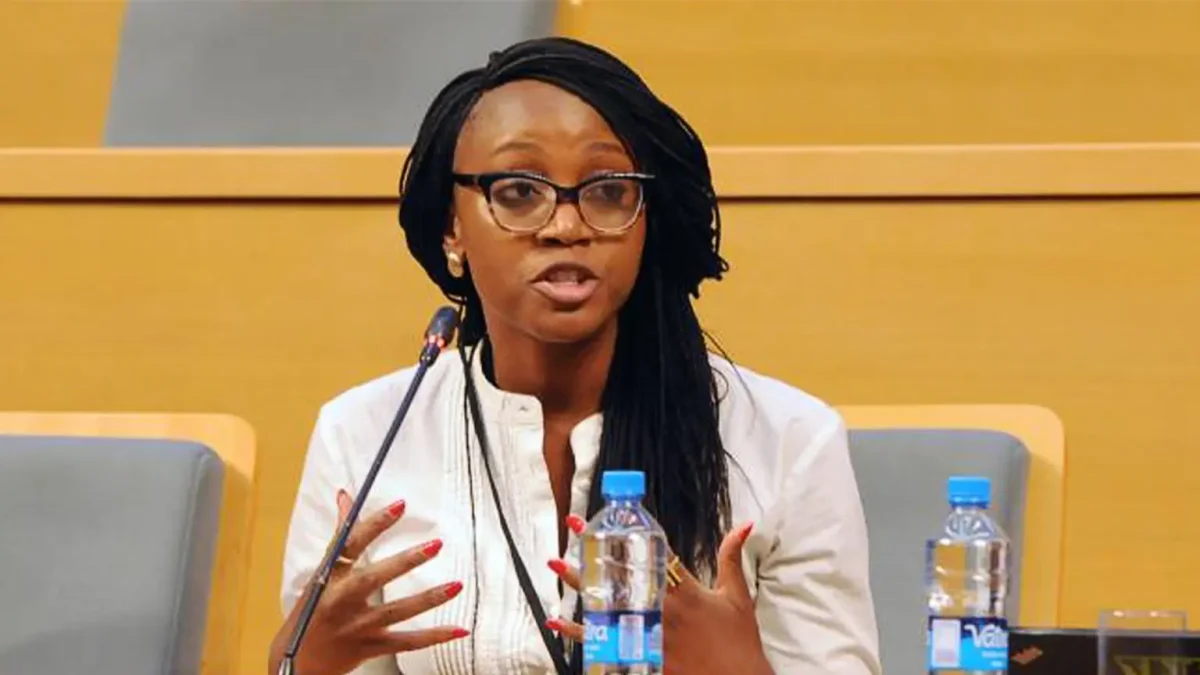
Executive Director of Tax Justice Network Africa, Chenai Mukumba, described the negotiations as a pivotal opportunity for African countries to advance their economic sovereignty.
She argued that although Africa’s labour, natural resources and markets have generated enormous wealth, existing global tax rules have denied the continent a fair share of taxing rights over income generated from those resources.
According to Mukumba, the UN negotiations offer an opportunity for Africa to strengthen its economic independence beyond political sovereignty.
Director of Monitoring Sustainability of Globalisation and member of Tax and Fiscal Justice Asia, Charles Santiago, cautioned governments against accepting an agreement that merely repackages the current system without addressing its underlying structural inequalities.
Similarly, Coordinator of Red Justicia Fiscal de América Latina y el Caribe, Adrian Falco, said countries in Latin America and the Caribbean were demanding tax justice, not charity.
He argued that when wealthy individuals and multinational corporations fail to pay their fair share of taxes, governments are left with fewer resources to provide essential public services, forcing citizens to bear the burden.
Tax Coordinator at the European Network on Debt and Development (Eurodad), Tove Maria Ryding, urged negotiators to replace the existing international tax framework with a fairer and more effective system rather than introducing only limited reforms.
Also speaking, Co-coordinator of Tax and Fiscal Justice Asia, Jeannie Manipon, said governments often cite inadequate funding for climate action despite the substantial profits earned by multinational corporations.
She referenced research by the Global Alliance for Tax Justice and Eurodad, which estimated that a 20 per cent surtax on the profits of the world’s 100 largest oil and gas companies between 2022 and 2024 could have generated billions of dollars annually to support climate finance and sustainable development.
The advocates urged governments participating in the UN negotiations to seize the opportunity to create a transparent, inclusive and equitable international tax framework capable of supporting sustainable development and reducing global inequality.
—————————————————————————————————————————————
Your help to our media platform will support the delivery of the independent journalism and broadcast the world needs. Support us by making any contribution. Your donation and support allows us to be completely focus, deeply investigative and independent. It also affords us the opportunity to produce more programmes online which is a platform universally utilised.
Thank you.
Please click link to make – DONATION