

The proposed $25 billion Nigeria-Morocco Gas Pipeline project is facing delays, with concerns over the pace of Nigeria’s involvement despite recent efforts to advance the initiative at the regional level.
The project, now renamed the African-Atlantic Gas Pipeline (AAGP), is expected to cost between $25 billion and $27 billion and connect Nigeria’s gas resources to Morocco and, ultimately, markets in Europe.
The development comes weeks after the Economic Community of West African States (ECOWAS) endorsed the project and member states signed an Intergovernmental Agreement (IGA) to advance the cross-border gas infrastructure.
The agreement was signed on July 19, 2026, during the 69th Ordinary Session of the ECOWAS Authority of Heads of State and Government in Lungi, Sierra Leone. Nigeria was represented by Vice President Kashim Shettima on behalf of President Bola Tinubu.
Minister of State for Petroleum Resources (Gas), Ekperikpe Ekpo, described the agreement as a major milestone for regional energy cooperation.
However, sources familiar with the project told Ben Television that the initiative has yet to make significant progress, with some attributing the slow pace to what they described as a lukewarm attitude by Nigerian authorities.
The project has been under discussion for about a decade. Nigeria and Morocco initially pursued the pipeline through bilateral negotiations before the initiative was expanded to involve other West African countries.
Some experts have expressed concern that the involvement of multiple countries could introduce additional bureaucratic and political complexities, particularly over financing, ownership, routes and the distribution of benefits.
An energy expert who spoke to Ben Television argued that Nigeria and Morocco should have established a stronger bilateral foundation before seeking the participation of other countries.
He noted that while ECOWAS endorsement could strengthen the project politically, regional agreements had historically faced lengthy implementation delays.
The Nigeria-Morocco pipeline project dates back to 2016, when Morocco’s King Mohammed VI visited Nigeria and held discussions with former President Muhammadu Buhari. Buhari subsequently visited Morocco in 2018, where both countries witnessed the signing of agreements relating to the proposed gas pipeline and broader economic cooperation.
President Tinubu also held discussions with the Moroccan monarch in January 2024 on strengthening bilateral relations, including the development of major economic projects.
However, the Nigerian president has yet to visit Morocco as part of efforts to further advance the pipeline project.
Efforts to obtain comments from the Presidency on the reported delays were unsuccessful at the time of filing the report.
Officials of the Nigerian National Petroleum Company Limited (NNPCL), however, maintained that work on the project was ongoing and that Nigeria remained committed to its implementation.
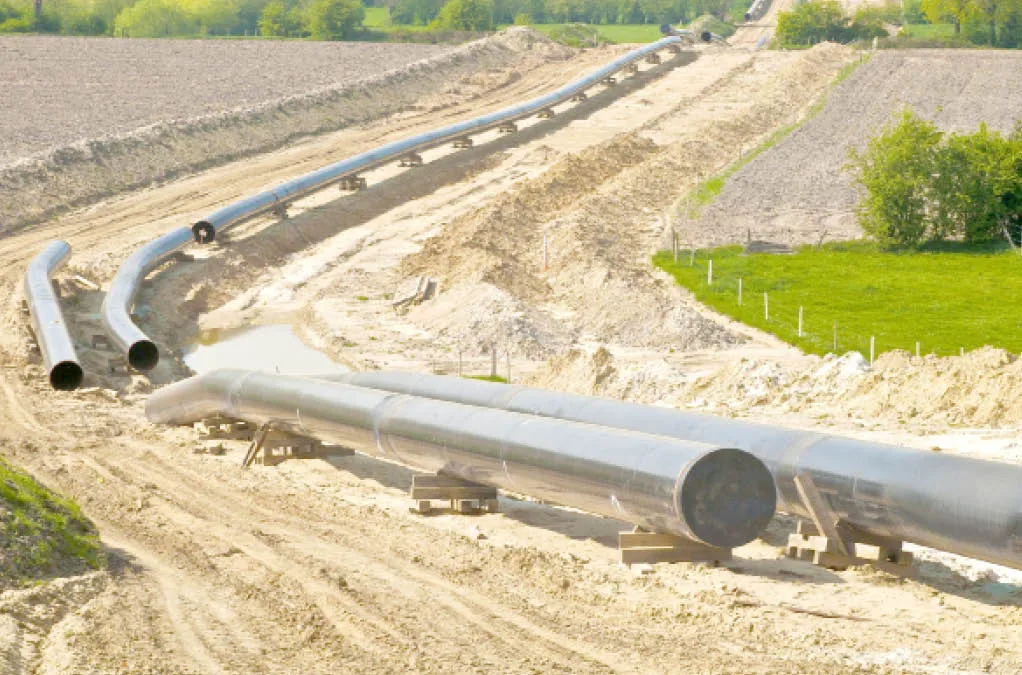
The project is designed to run along Africa’s Atlantic coast, linking Nigeria with several West African countries before reaching Morocco. It is also expected to connect with existing infrastructure that could provide access to European markets.
If completed, the pipeline is expected to strengthen regional energy integration, expand access to Nigerian gas and generate significant economic opportunities for participating countries.
Despite the renewed regional backing, concerns remain over financing, complex cross-border arrangements, political coordination and the pace of implementation.
With the project estimated to require more than $25 billion in investment, stakeholders say sustained political commitment and stronger coordination between Nigeria, Morocco and participating countries will be critical to turning the long-standing proposal into a functioning regional gas infrastructure.
—————————————————————————————————————————————
Your help to our media platform will support the delivery of the independent journalism and broadcast the world needs. Support us by making any contribution. Your donation and support allows us to be completely focus, deeply investigative and independent. It also affords us the opportunity to produce more programmes online which is a platform universally utilised.
Thank you.
Please click link to make – DONATION